Tirzepatide cardiometabolic evidence
Zepbound and Blood Pressure: Tirzepatide Evidence, Weight Loss, and Label Limits
A source-backed guide to tirzepatide blood-pressure claims, SURMOUNT-1 ambulatory monitoring data, weight-loss context, safety warnings, and Zepbound label limits.

Zepbound and blood pressure is a useful search topic because tirzepatide has human evidence showing blood-pressure reductions during obesity treatment. The question is not whether the signal exists. It is what kind of evidence supports it, how much of the change may be tied to weight loss, and what the Zepbound label does not say.
The central source is a SURMOUNT-1 ambulatory blood-pressure monitoring substudy. It reported lower 24-hour systolic and diastolic blood pressure with tirzepatide versus placebo in adults with BMI at least 27. Ambulatory monitoring matters because it captures blood pressure across daily life rather than only a clinic reading.
That evidence should still be framed carefully. Zepbound is approved for chronic weight management and other label-defined uses, not as a hypertension treatment. Blood-pressure effects are clinically relevant cardiometabolic findings, but they are not the same as a labeled blood-pressure indication or a replacement for standard hypertension care.
Evidence Snapshot
| Common claim | Evidence picture | Boundary |
|---|---|---|
| Zepbound is a blood-pressure medicine. | Tirzepatide reduced 24-hour ambulatory blood pressure in a SURMOUNT-1 substudy of adults with BMI at least 27. | Zepbound labeling does not list hypertension treatment as an indication. |
| Blood-pressure changes prove a direct vascular drug effect. | Weight loss, lower insulin resistance, lower volume load, sleep-apnea changes, and medication changes can all affect blood pressure. | The substudy supports a clinical signal, not one isolated mechanism for every patient. |
| Lower blood pressure means lower cardiovascular risk for everyone. | Blood pressure is an important risk factor, and tirzepatide has cardiometabolic evidence across obesity and diabetes programs. | Risk reduction depends on baseline risk, diagnosis, other therapies, adverse effects, and outcome-trial evidence. |
| Blood pressure will stay lower after stopping. | SURMOUNT-4 withdrawal analyses show weight regain can be accompanied by cardiometabolic parameter worsening. | Maintenance, discontinuation, and medication adjustment are clinical questions, not search-result shortcuts. |
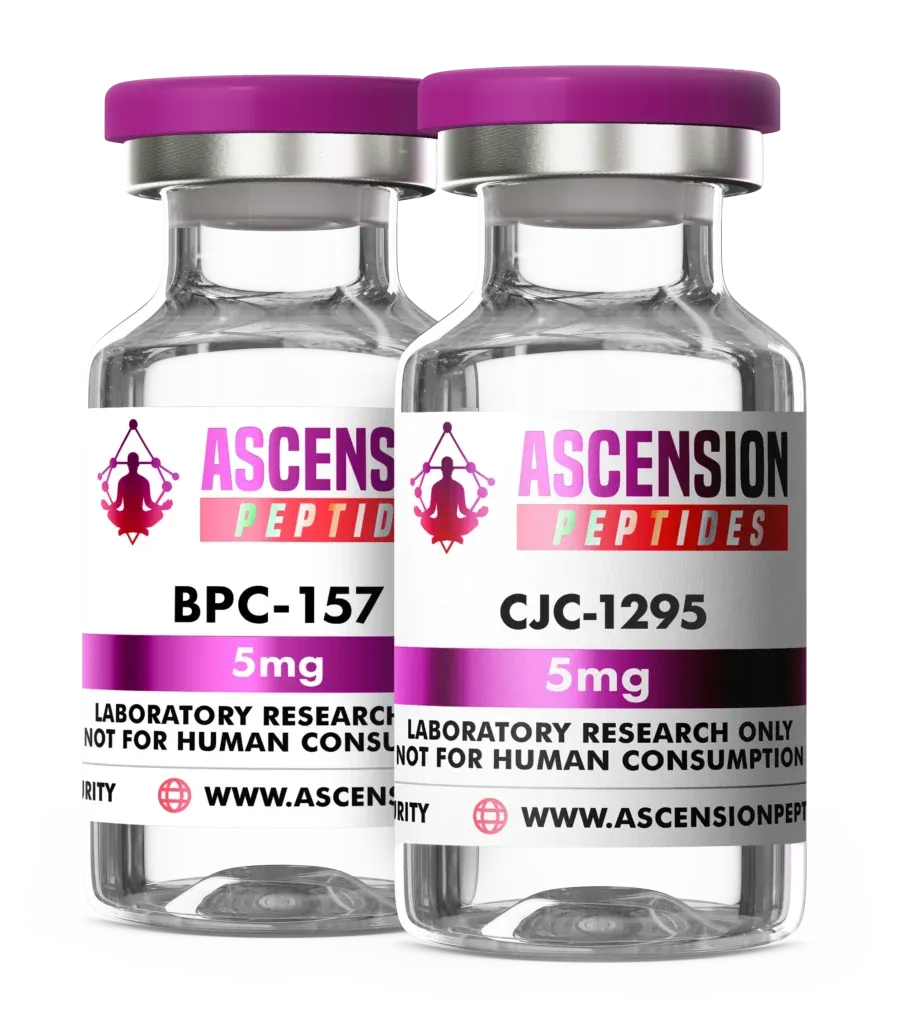
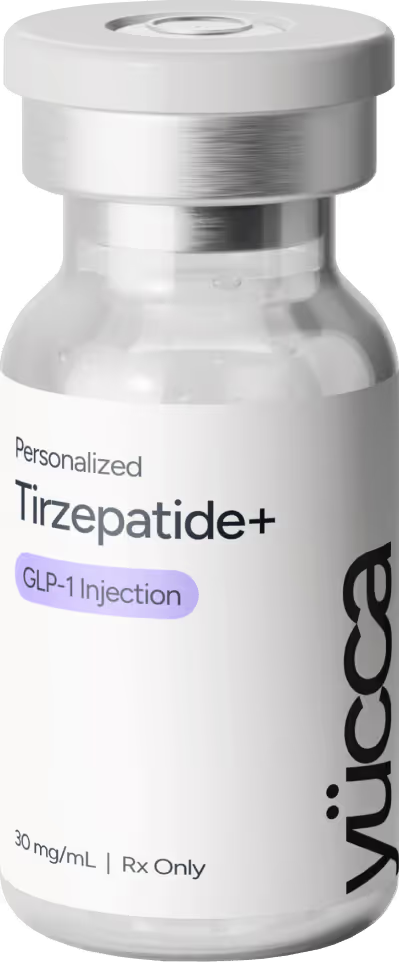
| Any tirzepatide product carries Zepbound evidence. | The evidence and label belong to regulated product and trial contexts. | Compounded or research-market tirzepatide does not inherit product identity, device controls, labeling, or monitoring. |
What The Zepbound Label Says
Zepbound is an FDA-approved tirzepatide product. Its label covers chronic weight reduction in adults with obesity or overweight with at least one weight-related comorbid condition, and it also includes other current label-defined uses. High blood pressure can be one of the weight-related comorbid conditions that qualifies a person for weight-management treatment, but that is not the same as a hypertension indication.
This distinction is practical. A person can have obesity, hypertension, type 2 diabetes, sleep apnea, kidney disease, heart failure, or several of these together. The fact that one product can affect weight and blood pressure does not decide which blood-pressure target is appropriate, which antihypertensive medicines are needed, or how clinicians should adjust therapy.
Comorbidity language is often misread. A label can allow use for chronic weight management in someone who has hypertension as a weight-related condition without saying the drug is indicated to treat hypertension. The first statement is about eligibility for weight-management treatment. The second would require a blood-pressure treatment indication, which is not how the current Zepbound label is written.
Zepbound also should not be merged with Mounjaro, even though both contain tirzepatide. Mounjaro has a diabetes product context. Zepbound has a weight-management and related-label context. Compounded tirzepatide and research-market tirzepatide are separate categories again. The approved vs investigational vs compounded vs research peptides guide explains that product boundary.
What SURMOUNT-1 Adds
SURMOUNT-1 was a phase 3 trial of tirzepatide once weekly for obesity. It established the broader weight-loss evidence base in adults without diabetes and showed substantial body-weight reduction compared with placebo. The ambulatory blood-pressure substudy sits inside that larger program and asks a narrower cardiometabolic question.
In the substudy, tirzepatide reduced 24-hour ambulatory blood pressure versus placebo. The published report described reductions across systolic and diastolic measures, including daytime and nighttime readings. That is more informative than relying only on office measurements because white-coat effects, timing, sleep, activity, and medication schedules can influence single readings.
The result supports a specific statement: tirzepatide has been shown to reduce ambulatory blood pressure in a studied obesity or overweight population. It does not support saying Zepbound is a blood-pressure drug, that every person will lower antihypertensive therapy, or that blood-pressure monitoring can be skipped.
Ambulatory monitoring also helps readers understand why the finding is not just a casual side observation. Twenty-four-hour monitoring can capture nighttime pressure, daytime variability, and average exposure over time. Those measurements can differ from a clinic reading. The substudy therefore adds useful cardiometabolic detail, even though it remains a substudy rather than a hypertension-outcomes trial.
It also does not isolate a single mechanism. Weight loss itself can lower blood pressure. Improvements in insulin resistance, inflammation, sleep apnea burden, sodium balance, vascular function, kidney handling, and sympathetic tone may contribute. The study result is clinically interesting because all of those changes can matter, but the claim should stay tied to the measured outcome.
Weight Loss, Maintenance, And Regain
Blood-pressure changes during tirzepatide treatment should be read alongside weight trajectory. SURMOUNT-4 is useful because it tested continued tirzepatide after an open-label lead-in period, compared with switching to placebo. Continued treatment supported weight-loss maintenance, while withdrawal led to regain in many participants.
A later SURMOUNT-4 post hoc analysis examined cardiometabolic parameter changes by weight regain after tirzepatide withdrawal. It reported that regain was accompanied by worsening in several cardiometabolic measures. That context matters for blood pressure because the clinical question is not only whether blood pressure falls during treatment, but what happens with maintenance, discontinuation, and weight regain.
This is also why the GLP-1 stopping and weight-regain guide is relevant. The article is not about blood pressure alone, but it explains why durability and treatment interruption can change metabolic readings. Blood pressure, weight, glucose, lipids, sleep apnea, and symptoms often move together.
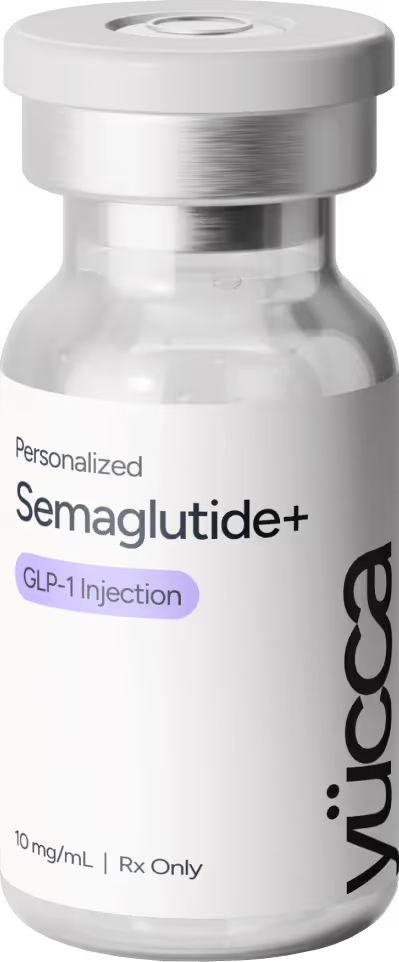
Semaglutide is useful context, but it should not blur the article. Semaglutide has its own cardiovascular, kidney, obesity, MASH, and diabetes evidence, including product-specific labels. Tirzepatide blood-pressure evidence should be read as tirzepatide evidence unless a semaglutide study is specifically being discussed.
How Blood-Pressure Claims Can Mislead
The first weak claim is that Zepbound treats hypertension. A better phrasing is that tirzepatide has been studied in obesity treatment and was associated with ambulatory blood-pressure reductions in a SURMOUNT-1 substudy. That keeps the claim tied to the endpoint and label context.
The second weak claim is that a lower reading proves cardiovascular event reduction for every user. Blood pressure is an important risk factor, but event outcomes require their own evidence. For related but different outcomes, read the Zepbound heart-failure evidence guide and the Wegovy cardiovascular evidence guide. Those pages cover different populations and endpoints.
The third weak claim is that a tirzepatide vial sold online carries the same evidence. Trial-controlled and FDA-reviewed products have defined manufacturing, labels, storage, devices, adverse-event reporting, and clinical monitoring. The GLP-1 compounding rules guide covers why ingredient-name familiarity is not product equivalence.
The fourth weak claim is that the blood-pressure signal removes the need for basic monitoring. People using antihypertensive medicines, diuretics, SGLT2 inhibitors, insulin, sulfonylureas, kidney-relevant therapies, or heart-failure medicines may need clinician-directed monitoring. Dizziness, dehydration, vomiting, diarrhea, low blood glucose, kidney-function changes, or low blood pressure symptoms should not be handled through search snippets.
Medication adjustment is a separate decision. If body weight, appetite, sodium intake, hydration, glucose control, or sleep apnea changes during treatment, blood-pressure readings may change too. That may lead a clinician to monitor more closely or adjust other medicines. It does not mean readers should stop blood-pressure therapy, skip home measurements, or use tirzepatide as a substitute for a hypertension plan.
The reconstitution calculator has a narrow measurement role. It cannot verify a tirzepatide product, set a dose, diagnose hypertension, choose blood-pressure medication, or translate a trial result into a personal treatment plan.
Safety And Monitoring Boundaries
Blood-pressure reductions can sound purely favorable, but the practical safety picture is more complex. Zepbound labeling includes warnings for thyroid C-cell tumor risk language, severe gastrointestinal adverse reactions, acute kidney injury due to volume depletion, acute gallbladder disease, acute pancreatitis, hypersensitivity reactions, hypoglycemia risk with insulin or insulin secretagogues, diabetic retinopathy complications in patients with type 2 diabetes, and pulmonary aspiration during anesthesia or deep sedation.
Gastrointestinal adverse effects matter for blood pressure because vomiting, diarrhea, and reduced intake can contribute to dehydration or dizziness. That is especially relevant for people using diuretics or blood-pressure medicines, people with kidney disease, and people with heart failure. A lower blood-pressure reading is not always the whole safety story.
Product quality is another boundary. FDA has warned about unapproved GLP-1 drugs used for weight loss, including dosing errors and products that may not match approved medicines. A product-quality problem can change risk in ways that a PubMed trial cannot predict.
The restrained takeaway is straightforward: tirzepatide has meaningful human evidence for lowering ambulatory blood pressure during obesity treatment, and that finding fits the broader cardiometabolic profile of weight loss. Current Zepbound labeling does not make it a hypertension medicine. Blood-pressure claims should name the study, the population, the endpoint, and the product limits.
References
- Zepbound (tirzepatide) label, DailyMed.
- FDA Approves New Medication for Chronic Weight Management, U.S. Food and Drug Administration.
- Tirzepatide Once Weekly for the Treatment of Obesity, New England Journal of Medicine / PubMed.
- Tirzepatide Reduces 24-Hour Ambulatory Blood Pressure in Adults With Body Mass Index at Least 27 kg/m2, Hypertension / PubMed.
- Continued Treatment With Tirzepatide for Maintenance of Weight Reduction in Adults With Obesity, JAMA / PubMed.
- Cardiometabolic Parameter Change by Weight Regain on Tirzepatide Withdrawal in Adults With Obesity, JAMA Internal Medicine / PubMed.
- Blood Pressure-Lowering Effects of SGLT2 Inhibitors and GLP-1 Receptor Agonists, Current Hypertension Reports / PubMed.
- Comparison of Clinical Efficacy and Safety of Tirzepatide, Liraglutide and Semaglutide in Patients with Obesity and Without T2D, Advances in Therapy / PubMed.
Disclaimer
This page is educational and is not medical advice. It does not provide prescribing, dosing, switching, compounding, reconstitution, sourcing, blood-pressure diagnosis, hypertension treatment, medication adjustment, weight-loss treatment, diabetes treatment, or individualized guidance for Zepbound, Mounjaro, tirzepatide, semaglutide, or related products. Blood-pressure and medication decisions should be made with qualified healthcare professionals using current labels, objective measurements, and clinical context.
Next steps
Continue with the closest guide, peptide profile, or research tool.