Safety literacy
GLP-1 Side Effects and Safety Signals Explained
A source-backed guide to common GLP-1 adverse effects and serious safety signals, including GI effects, thyroid warnings, gallbladder disease, pancreatitis, kidney injury, retinopathy, and compounded-product risks.

GLP-1 safety discussions tend to split into two weak extremes: "the side effects are just nausea" or "the drugs are obviously unsafe." Neither is useful. Approved GLP-1 and incretin drugs have large trial programs and FDA-reviewed labels, but those labels include common adverse reactions, boxed warnings, contraindications, and serious safety signals readers should understand.
This article focuses on source-backed interpretation. It does not diagnose symptoms, rank personal risk, or provide medical advice. It also separates FDA-approved products from compounded, counterfeit, and research-market products, because those are different safety categories.
Bottom Line
The most common GLP-1 adverse effects are gastrointestinal. But the most important safety literacy issues are broader: thyroid C-cell tumor boxed warnings, pancreatitis warnings, gallbladder disease, kidney injury related to dehydration or severe gastrointestinal events, diabetic retinopathy monitoring in diabetes populations, delayed gastric emptying, oral-medication interactions, hypersensitivity, and mental-health warning language in some labels.
Product specificity matters. Semaglutide is not one generic product; Wegovy, Ozempic, Rybelsus, and newer oral products have their own labels. Tirzepatide is also product-specific; Zepbound and Mounjaro have different labeled uses. A compounded vial or online research product is not automatically equivalent to any of those FDA-reviewed products.
Common Effects Are Usually Gastrointestinal
In semaglutide and tirzepatide labels and obesity trials, the adverse reactions readers see most often are gastrointestinal: nausea, vomiting, diarrhea, constipation, abdominal pain, dyspepsia, eructation, and related symptoms. These events are often dose-escalation related, but product labels still treat severe gastrointestinal reactions as clinically meaningful.
The mistake is to treat "common" as "unimportant." Vomiting and diarrhea can lead to dehydration. Dehydration can be part of the kidney-injury pathway described in labels. Persistent abdominal pain can be relevant to pancreatitis or gallbladder evaluation. A symptom that is common in a trial can still deserve clinical attention in a specific person.
Serious Safety Signals To Know
| Signal | Source context | How to read it |
|---|---|---|
| Gastrointestinal adverse reactions | Nausea, vomiting, diarrhea, constipation, abdominal pain, dyspepsia, and related symptoms are common in GLP-1 and incretin-drug trials and labels. | Common does not mean trivial; severe or persistent symptoms can matter clinically. |
| Thyroid C-cell tumor boxed warning | Semaglutide and tirzepatide product labels carry boxed warnings based on rodent C-cell tumor findings and contraindications involving medullary thyroid carcinoma or MEN2. | This is a label-level warning, not a social-media rumor. |
| Pancreatitis | Labels for semaglutide and tirzepatide products include warnings about acute pancreatitis and advise discontinuation if pancreatitis is suspected. | Trials cannot be reduced to "no risk"; labels define monitoring and action language. |
| Gallbladder disease | Labels and meta-analyses discuss gallbladder-related events, including cholelithiasis and cholecystitis, especially in weight-loss contexts. | Rapid weight loss can also affect gallbladder risk, so interpretation is not always simple. |
| Acute kidney injury | Labels describe kidney injury risk, often in the setting of dehydration from nausea, vomiting, diarrhea, or reduced intake. | The kidney signal is closely tied to fluid status and severe gastrointestinal symptoms. |
| Diabetic retinopathy complications | Semaglutide labeling includes retinopathy monitoring language for patients with a history of diabetic retinopathy, informed by diabetes cardiovascular-outcome data. | This concern is most relevant in diabetes populations, especially when glucose improves quickly. |
| Delayed gastric emptying and oral drugs | Semaglutide and tirzepatide labels describe delayed gastric emptying, with tirzepatide labeling also addressing oral hormonal contraceptive exposure. | Medication timing and absorption are product-label questions, not guesswork. |
| Compounded or unapproved GLP-1 products | FDA has warned about dosing errors, fraudulent products, improper storage, salt forms, and adverse events with unapproved GLP-1 products. | A safety discussion must separate FDA-approved products from non-FDA-approved versions. |
Product Labels Are Not Interchangeable
The active ingredient name is not enough. Labels differ by product, indication, dose range, patient population, contraindications, warnings, route, formulation, packaging, and clinical-trial evidence. That is why Peptides Defined links to specific peptide profiles instead of treating GLP-1 as one product.
| Product | Ingredient | Label context | Safety reading |
|---|---|---|---|
| Wegovy | Semaglutide | Chronic weight management and selected cardiovascular-risk contexts in FDA labeling. | Semaglutide-specific label warnings include thyroid C-cell tumor boxed warning, pancreatitis, gallbladder disease, kidney injury, heart-rate increase, suicidal behavior/ideation language, and diabetic retinopathy monitoring context. |
| Ozempic | Semaglutide | Type 2 diabetes, cardiovascular risk reduction, and kidney-risk context in specific labeled populations. | Diabetic retinopathy language is especially relevant to diabetes populations with retinopathy history. |
| Zepbound | Tirzepatide | Chronic weight management and obstructive sleep apnea with obesity in FDA labeling. | Tirzepatide labeling includes delayed gastric emptying, oral contraceptive advice around initiation and escalation, and warnings shared with incretin-class products. |
| Mounjaro | Tirzepatide | Type 2 diabetes in FDA labeling. | The same active ingredient name does not make every tirzepatide product, presentation, source, or use context interchangeable. |
Why Compounded And Unapproved Products Change The Safety Question
FDA-approved products have FDA-reviewed labeling, manufacturing standards, quality expectations, and adverse-event reporting systems. Compounded and unapproved GLP-1 products do not become FDA-approved because they use a familiar ingredient name.
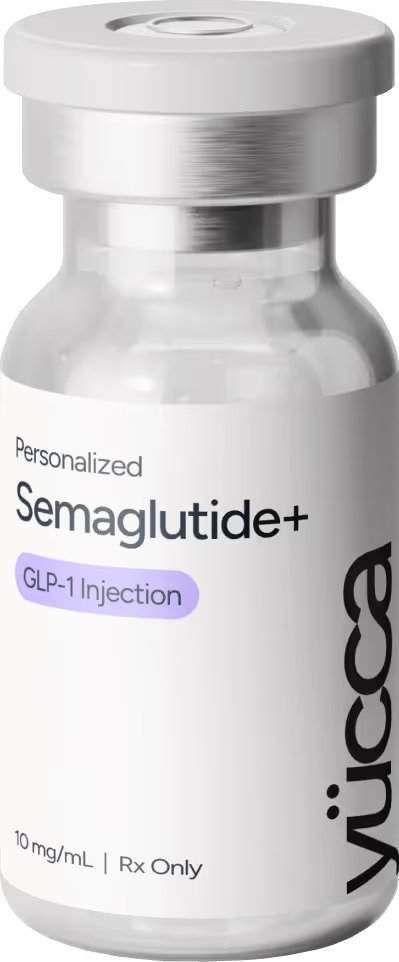
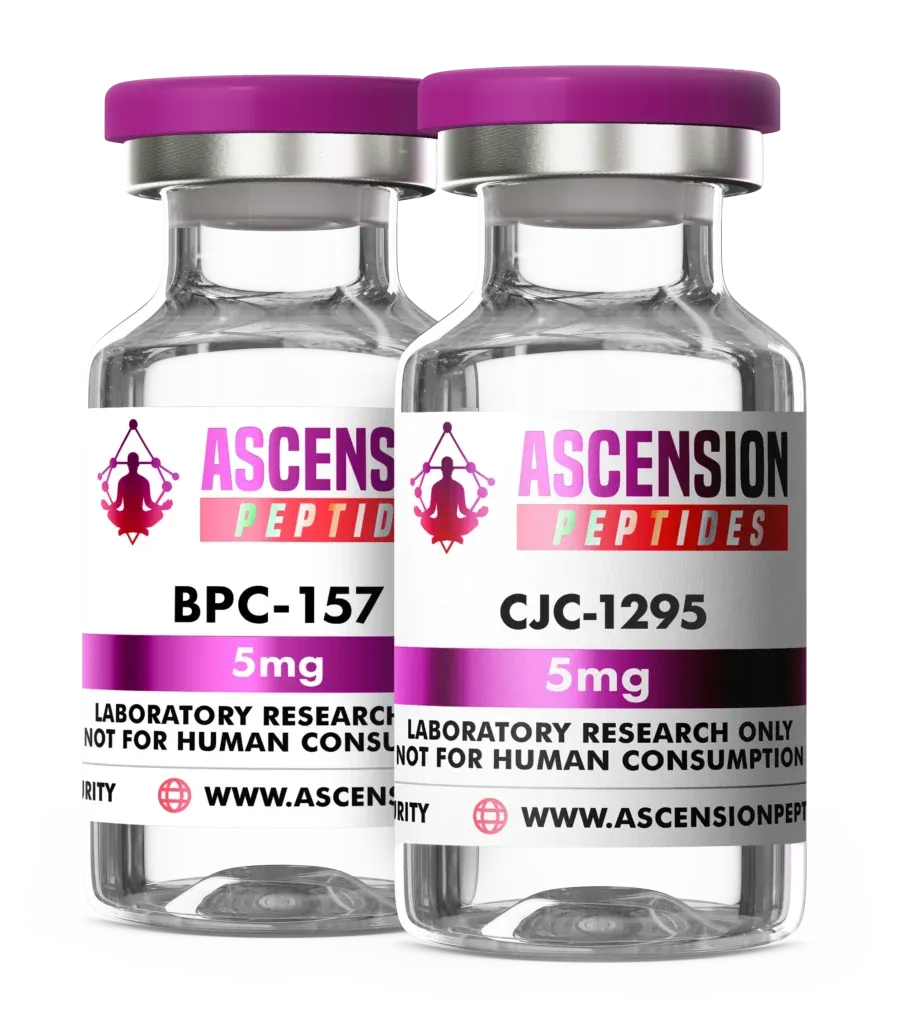
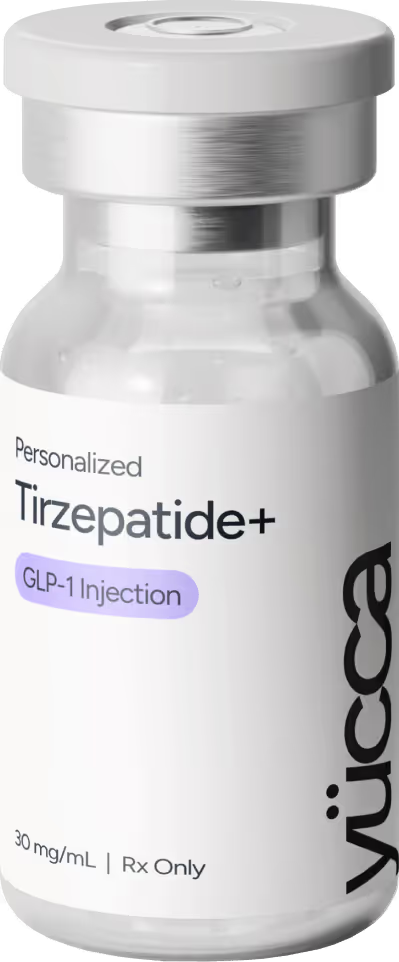
FDA has warned about unapproved GLP-1 products marketed for weight loss, including dosing errors, adverse-event reports, salt forms of semaglutide, improper storage during shipping, counterfeit products, and sellers using research language while implying human use. These risks are separate from the ordinary labeled risks of approved semaglutide or tirzepatide products.
Measurement literacy is also part of the safety picture. A multi-dose vial can create confusion between milligrams, milliliters, concentration, and syringe units. That does not mean a calculator authorizes use. It means dosing language must be exact, product-specific, and clinically supervised.
How To Read GLP-1 Safety Claims
When a safety claim appears online, ask five questions:
- Which exact product, route, and label is being discussed?
- Is the claim based on an FDA label, a peer-reviewed trial, an adverse-event report, a case report, or an anecdote?
- Is the population type 2 diabetes, obesity without diabetes, cardiovascular disease, kidney disease, sleep apnea, or another group?
- Does the claim separate common adverse reactions from serious warnings and contraindications?
- Is the product FDA-approved, compounded, counterfeit, research-market, or investigational?
This framework avoids two bad habits: dismissing every safety concern as fear, and treating every adverse-event headline as proof that a whole drug class is unsafe for everyone.
FAQ
Are all GLP-1 side effects mild?
No. Gastrointestinal effects are common, but labels and trials also discuss less common serious issues such as pancreatitis warnings, gallbladder events, kidney injury related to dehydration, and other product-specific risks.
Can semaglutide and tirzepatide safety labels be used interchangeably?
No. They overlap in some ways but are separate products with separate labels, populations, dosing ranges, and adverse-event data.
Why are compounded or unapproved products a different safety question?
They may differ in formulation, concentration, labeling, pharmacy controls, product identity, and adverse-event monitoring compared with approved products.
References
- Wegovy (semaglutide) prescribing information, U.S. Food and Drug Administration.
- Ozempic (semaglutide) prescribing information, U.S. Food and Drug Administration.
- Zepbound (tirzepatide) prescribing information, Eli Lilly and Company.
- Mounjaro (tirzepatide) prescribing information, Eli Lilly and Company.
- FDA Concerns with Unapproved GLP-1 Drugs Used for Weight Loss, U.S. Food and Drug Administration.
- Medications Containing Semaglutide Marketed for Type 2 Diabetes or Weight Loss, U.S. Food and Drug Administration.
- FDA Alerts Health Care Providers, Compounders and Patients of Dosing Errors Associated with Compounded Injectable Semaglutide Products, U.S. Food and Drug Administration.
- FDA Warns Consumers Not to Use Counterfeit Ozempic Found in U.S. Drug Supply Chain, U.S. Food and Drug Administration.
- Once-Weekly Semaglutide in Adults with Overweight or Obesity, PubMed.
- Tirzepatide Once Weekly for the Treatment of Obesity, PubMed.
- Semaglutide and Cardiovascular Outcomes in Obesity without Diabetes, PubMed.
- Effects of Semaglutide on Chronic Kidney Disease in Patients with Type 2 Diabetes, PubMed.
- Semaglutide and Cardiovascular Outcomes in Patients with Type 2 Diabetes, PubMed.
- Association of GLP-1 Receptor Agonist Use With Risk of Gallbladder and Biliary Diseases, PubMed.
- Tirzepatide for the Treatment of Obstructive Sleep Apnea and Obesity, PubMed.
- FDA Approves First Medication for Obstructive Sleep Apnea, U.S. Food and Drug Administration.
Next steps
Continue with the closest guide, peptide profile, or research tool.