Regulatory literacy
Approved vs Investigational vs Compounded vs Research Peptides
A practical framework for separating FDA-approved peptide medicines, clinical-stage investigational drugs, compounded products, and research peptides sold online.

Peptide discussions often collapse four different categories into one word: approved medicines, investigational drugs, compounded products, and research peptides. That shortcut makes content easier to market, but it makes evidence harder to read.
The category matters because it changes what can be known. An FDA-approved product has a reviewed label for a specific use. An investigational drug may have promising trial data but still be unapproved. A compounded product may be prepared for a patient-specific need but is not an FDA-approved copy. A research peptide may have lab or animal evidence while lacking reliable human safety and efficacy data.
The Four Buckets
A useful first step is to classify the exact product being discussed before judging the claim. The same ingredient name can appear in more than one bucket, and the evidence does not automatically transfer across buckets.
| Bucket | What it means | Where to verify | Common mistake |
|---|---|---|---|
| Approved medicine | A regulator has reviewed a specific product, route, manufacturing file, label, and indication. | Drugs@FDA, DailyMed, approved labeling, regulator communications. | Assuming the ingredient name validates every product sold under that name. |
| Investigational drug | A product is being studied in human trials but has not been approved for the claimed use. | ClinicalTrials.gov records, trial publications, sponsor disclosures, peer-reviewed papers. | Treating a trial listing as proof of safety, efficacy, or approval. |
| Compounded product | A pharmacy-prepared product made for a patient-specific need under compounding rules. | Licensed pharmacy status, prescriber involvement, FDA compounding alerts, state board context. | Assuming compounded products are FDA-approved copies of brand-name drugs. |
| Research peptide | A compound sold or discussed for laboratory research rather than as an approved human medicine. | Published studies, regulator warnings, product identity, route, and human evidence quality. | Reading purity claims or "research use" language as clinical safety evidence. |
Approved Products: Specific Product, Specific Label
Approval is specific. It applies to a named product with a reviewed formulation, route, manufacturing controls, dose presentation, labeled indication, warnings, contraindications, and patient population. It does not validate every product sold with the same active ingredient name.
For U.S. products, the fastest verification path is to search Drugs@FDA for approval information and DailyMed for the current label. The label is where the actual indication, dosing form, adverse reactions, limitations of use, and safety language live.
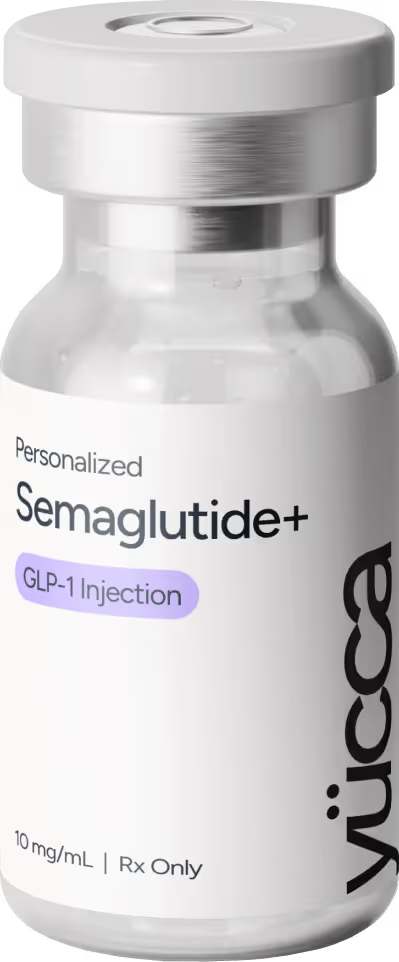
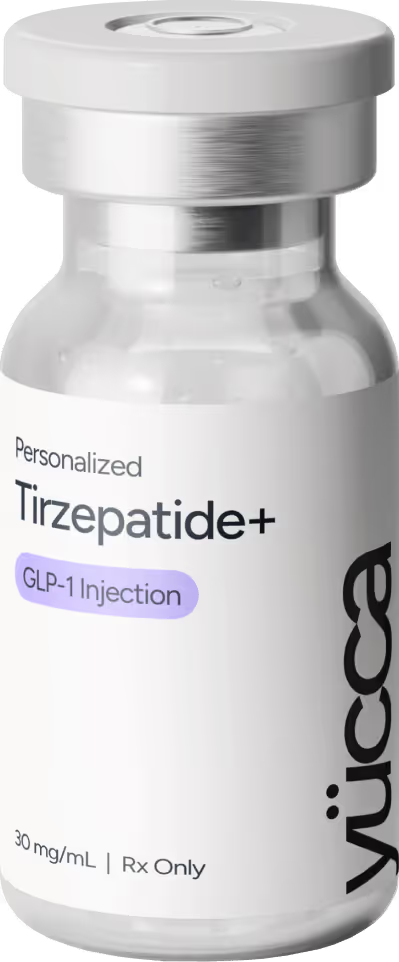
This distinction matters for familiar GLP-1 products. An approved semaglutide or tirzepatide product is not the same evidence object as a vial sold online, a product made from a different salt form, a non-prescribed product, or a compounded product with different concentration and instructions.
Investigational Drugs: Promising Is Not Approved
Investigational peptide drugs can be scientifically serious without being approved. Retatrutide and cagrilintide are good examples: both have human research programs and are widely discussed in metabolic medicine, but that does not make them approved consumer products.
A ClinicalTrials.gov record is useful, but it is not a quality stamp. It can show trial phase, status, sponsor, enrollment target, arms, eligibility criteria, and outcomes. It does not prove that the intervention works, that the study will finish, that results will be positive, or that the product is available for ordinary use.
When reading investigational-drug claims, separate completed peer-reviewed results from registry entries, press releases, conference abstracts, and secondary summaries. A phase 2 signal and a recruiting phase 3 trial belong in different evidence categories.
Compounded Products: Not FDA-Approved Copies
Compounding can have a legitimate role when a patient has a specific medical need that an approved product cannot meet. That does not mean compounded drugs are FDA-approved. The FDA does not review compounded products for safety, effectiveness, or manufacturing quality in the same way it reviews approved drugs.
GLP-1 compounding has made this distinction especially important. FDA materials have raised concerns around unapproved GLP-1 products, dosing errors with compounded injectable semaglutide products, salt forms, fraudulent products, and adverse-event reports. Those concerns are about the product category and supply chain, not a simple judgment about the molecule name.
FDA compounding-risk materials also discuss several peptide bulk drug substances that may present significant safety risks, including concerns such as immunogenicity, impurities, active-ingredient characterization, and missing safety data. For a reader, the practical point is simple: a compounded or bulk peptide claim needs product-specific scrutiny.
Research Peptides: The Label Is Not Human Evidence
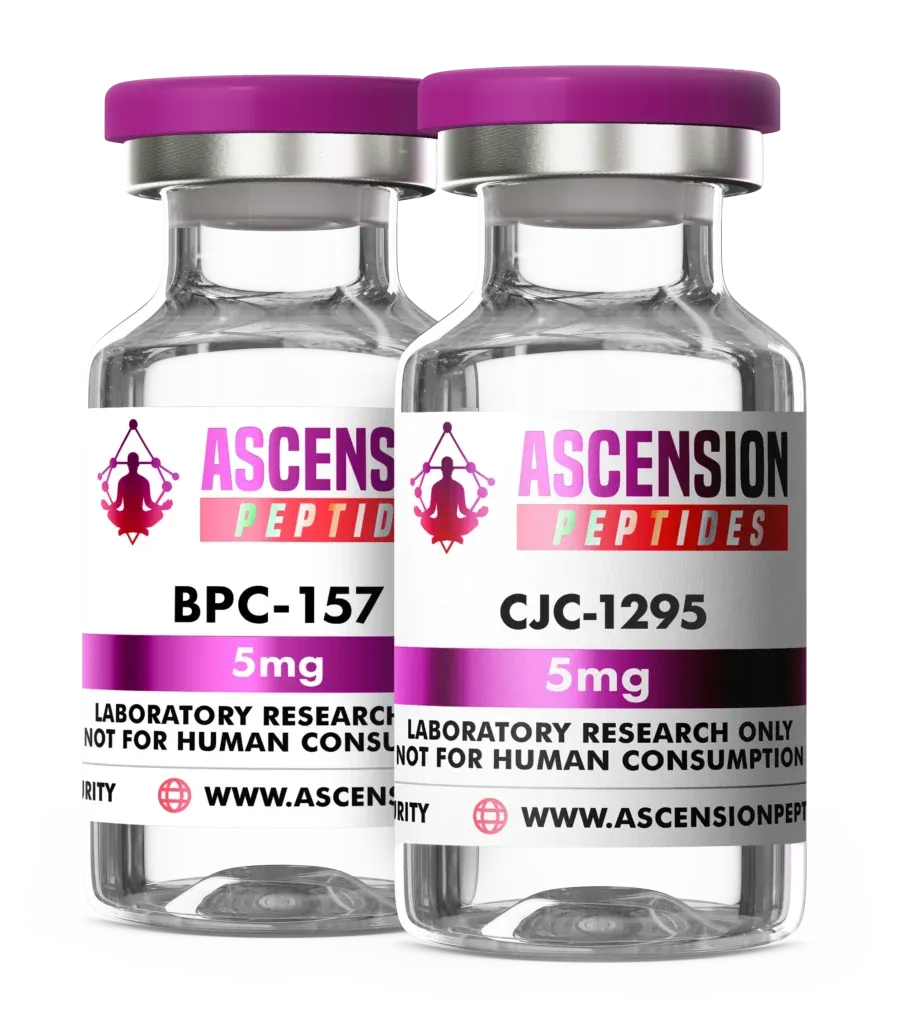
"Research use only" language is often misunderstood. It usually describes an intended laboratory or non-clinical context. It should not be read as permission for human use, proof of sterility, proof of clinical benefit, or proof that a seller's product matches a published study material.
Research peptides such as BPC-157, CJC-1295, and ipamorelin may have mechanistic discussions, animal studies, small human datasets, or online anecdotes. Those sources are not interchangeable. Cell and animal data can generate hypotheses, but they do not establish human outcomes, route-specific safety, or long-term risk.
Certificates of analysis, purity numbers, and batch testing can be useful quality-control clues, but they are not clinical-trial evidence. They also do not answer questions about sterility, endotoxin, dosing accuracy, stability after reconstitution, interaction risks, or suitability for any person.
A Verification Checklist
Before trusting a peptide claim, verify the exact category and source trail:
- Identify the exact molecule, salt or form, route, formulation, and claimed use.
- Check whether an approved product exists for that exact use and route.
- Read the label if a regulated product is involved.
- Search ClinicalTrials.gov for trial phase, status, comparator, and outcome measures.
- Look for peer-reviewed human results before relying on animal or cell data.
- Check FDA alerts or compounding materials when compounded or bulk peptides are involved.
- Separate a seller's product claims from the evidence for a studied clinical product.
Red Flags In Peptide Marketing
The highest-risk content usually skips product identity. It says a peptide "has been shown" to do something without naming the route, study type, species, comparator, dose, formulation, or whether the result came from a clinical product.
Other red flags include borrowed evidence from a related molecule, no discussion of adverse events, no separation between approved and research-only contexts, aggressive certainty around investigational drugs, and claims that a trial listing proves availability or approval.
A careful peptide article should make uncertainty visible. It should say when evidence is strong, when it is preliminary, when it is route-specific, and when marketing language is carrying more weight than the data.
References
- The FDA's Drug Review Process: Ensuring Drugs Are Safe and Effective, U.S. Food and Drug Administration.
- Drugs@FDA: FDA-Approved Drugs, U.S. Food and Drug Administration.
- DailyMed Drug Labeling Database, National Library of Medicine.
- ClinicalTrials.gov Glossary, ClinicalTrials.gov.
- FDA's Concerns with Unapproved GLP-1 Drugs Used for Weight Loss, U.S. Food and Drug Administration.
- Medications Containing Semaglutide Marketed for Type 2 Diabetes or Weight Loss, U.S. Food and Drug Administration.
- Certain Bulk Drug Substances for Use in Compounding that May Present Significant Safety Risks, U.S. Food and Drug Administration.
Next steps
Continue with the closest guide, peptide profile, or research tool.