Digestive safety evidence
GLP-1 Pancreatitis and Gallbladder Risk: Labels, Evidence, and Red Flags
A research-backed guide to GLP-1 pancreatitis and gallbladder-risk claims, semaglutide and tirzepatide label warnings, trial evidence, and product-quality limits.

GLP-1 pancreatitis and gallbladder-risk claims are easy to distort. One weak version says every stomach symptom on a GLP-1 drug is a dangerous pancreas signal. Another weak version says large trials make pancreatitis and gallbladder concerns irrelevant. The better answer sits between those extremes and starts with labels, trial design, and the type of digestive event being discussed.
For semaglutide and tirzepatide, FDA-reviewed labels include specific warnings for pancreatitis and gallbladder disease. The evidence is not identical for the two signals. Gallbladder and biliary events have a clearer randomized-trial meta-analysis signal. Pancreatitis is serious and label-relevant, but its population-level risk signal has been harder to separate from baseline risk, diabetes, obesity, alcohol use, gallstones, and case-level uncertainty.
That distinction matters for readers searching after abdominal pain, nausea, vomiting, or a news headline. Peptides Defined cannot diagnose symptoms. It can explain why the evidence should not be flattened into either "panic" or "ignore it."
Evidence Snapshot
| Question | Evidence picture | How to read it |
|---|---|---|
| Do GLP-1 labels mention pancreatitis? | Wegovy and Zepbound labeling both include acute pancreatitis warning language and discontinuation instructions if pancreatitis is suspected. | A label warning is not proof that every abdominal symptom is pancreatitis, but it is a source-backed reason to treat severe symptoms seriously. |
| Is gallbladder disease a real signal? | A systematic review and meta-analysis of randomized trials found GLP-1 receptor agonist use associated with higher risk of gallbladder or biliary diseases, especially in weight-loss trials, higher-dose use, and longer use. | The signal is stronger for gallbladder and biliary disease than for simple claims that GLP-1 drugs broadly damage the pancreas. |
| Does rapid weight loss matter? | Gallstones and gallbladder events can occur during weight loss itself, including outside GLP-1 use. | Gallbladder risk can reflect drug effects, weight-loss physiology, baseline risk, and trial population. |
| Do obesity trials settle rare-event risk? | Semaglutide and tirzepatide obesity trials provide useful safety context but are not sized to answer every uncommon event question. | Rare events often require labels, pharmacovigilance, observational studies, and clinical judgment, not trial headlines alone. |
| Do research or compounded products share the same evidence? | FDA has warned about non-FDA-approved GLP-1 products, dosing errors, salt forms, counterfeit products, storage problems, and research-labeled products sold for human use. | A product-quality problem can mimic, worsen, or confuse ordinary adverse-event interpretation. |
What The Labels Say
The current Wegovy label says acute pancreatitis has been observed in patients treated with GLP-1 receptor agonists, including Wegovy, and says to discontinue if pancreatitis is suspected. It also says acute gallbladder disease has occurred in clinical trials and recommends gallbladder studies and clinical follow-up if cholelithiasis is suspected.
The current Zepbound label uses similar source-backed caution. It says acute gallbladder disease has been reported in clinical trials and that gallbladder studies and clinical follow-up are indicated if cholecystitis is suspected. It also says acute pancreatitis has been observed in patients treated with GLP-1 receptor agonists or Zepbound and says to discontinue if pancreatitis is suspected.
Those labels do not give readers a home-diagnosis tool. They define warning categories and action language for clinicians and patients. The important practical point is that persistent severe abdominal pain, especially with vomiting or pain radiating to the back, should not be interpreted through forum reassurance or product marketing.
Labels also show why products cannot be merged casually. Wegovy, Ozempic, Zepbound, and Mounjaro have overlapping but separate prescribing information. A safety statement for one product does not automatically define another product, route, dose, or source. The broader GLP-1 side effects guide covers the full signal set; this page stays focused on pancreatitis and gallbladder risk.
How To Read Pancreatitis Evidence
Acute pancreatitis is inflammation of the pancreas and can be medically serious. The hard part is not whether pancreatitis matters. It does. The hard part is deciding what type of evidence supports a specific GLP-1 claim.
Case reports can identify plausible temporal patterns, but they do not establish the rate of risk by themselves. Adverse-event databases can reveal signals, but reports are incomplete and affected by publicity, missing denominators, and confounding. Randomized trials are stronger, but pancreatitis is uncommon enough that even large trial programs may have limited power to answer fine-grained risk questions.
A meta-analysis based on cardiovascular-outcome trials of incretin-based glucose-lowering medications did not support a simple high-risk conclusion for acute pancreatitis across the studied trial data. That does not cancel label warnings. It means a careful article should separate "a serious event has been observed and appears in labels" from "this class clearly causes a large pancreatitis risk in all users."
Baseline risk also matters. Type 2 diabetes, obesity, gallstones, high triglycerides, alcohol use, certain medicines, and prior pancreatitis history can all affect interpretation. A person with abdominal pain needs medical assessment, not a search-result argument about class averages.
Claims about "pancreas damage" are usually too broad. A stronger statement names the event, source, and uncertainty: labels warn about acute pancreatitis, trial data do not support every exaggerated claim, and individual symptoms require clinical evaluation.
Why Gallbladder Risk Is A Different Signal
Gallbladder and biliary disease have a clearer evidence pattern in the GLP-1 literature. A JAMA Internal Medicine systematic review and meta-analysis of randomized clinical trials found GLP-1 receptor agonist use associated with increased risk of gallbladder or biliary diseases. The analysis reported stronger associations in weight-loss trials, with higher doses, and with longer duration.
That does not mean every person using semaglutide or tirzepatide will have gallbladder trouble. It means gallbladder events should be treated as a real label and evidence topic rather than an anecdotal rumor. The types of events discussed in this literature include cholelithiasis, cholecystitis, biliary disease, and cholecystectomy.
The weight-loss setting matters. Gallstones can form during substantial or rapid weight loss even without GLP-1 treatment. GLP-1 drugs may contribute through weight change, altered gallbladder motility, drug-specific physiology, or a mix of factors. That makes a simple "the drug alone did it" claim too confident, but it also makes "it is just nausea" too dismissive.
The labels use practical action language. If gallbladder disease is suspected, gallbladder studies and clinical follow-up are indicated. That is the level of precision readers should look for: symptoms, source, evaluation, and product context.
Why Obesity Trials Still Matter
The semaglutide STEP 1 trial and the tirzepatide SURMOUNT-1 trial are not pancreatitis or gallbladder trials, but they are important because they define the evidence environment for modern obesity-dose incretin therapy. They show the scale of weight loss and the adverse-event collection context that informs labels and clinical use.
Both trials also reinforce that gastrointestinal tolerability is central. Nausea, vomiting, diarrhea, constipation, dyspepsia, abdominal pain, and reduced appetite are not the same as pancreatitis or gallbladder disease. But severe or persistent symptoms can be clinically relevant because dehydration, reduced intake, and abdominal pain can overlap with more serious warning categories.
This is why readers should avoid diagnosing from symptom lists. The same broad symptom, such as abdominal pain or vomiting, can appear in common gastrointestinal adverse reactions, gallbladder disease, pancreatitis, dehydration, unrelated infection, reflux, constipation, or other causes. Trial tables cannot replace a medical exam.
For adjacent digestive-risk context, see the Ozempic gastroparesis and ileus evidence guide. Delayed gastric emptying, bowel obstruction claims, gallbladder events, and pancreatitis are often discussed together online, but they are not the same endpoint.
Red Flags In Product And Marketing Claims
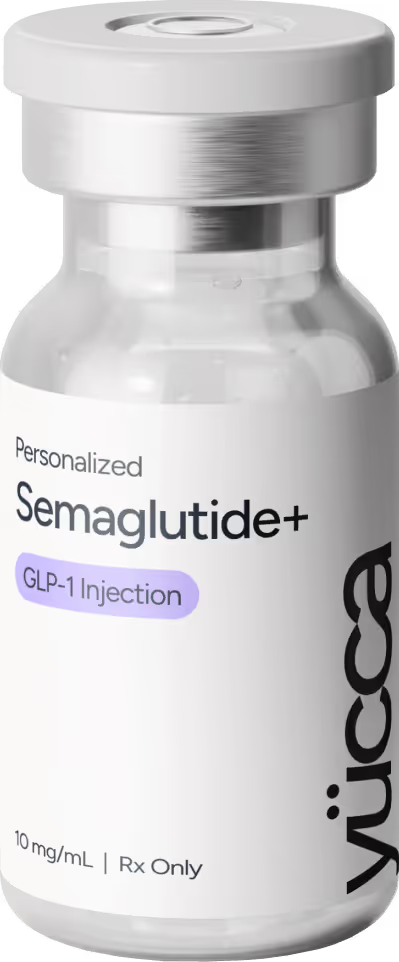
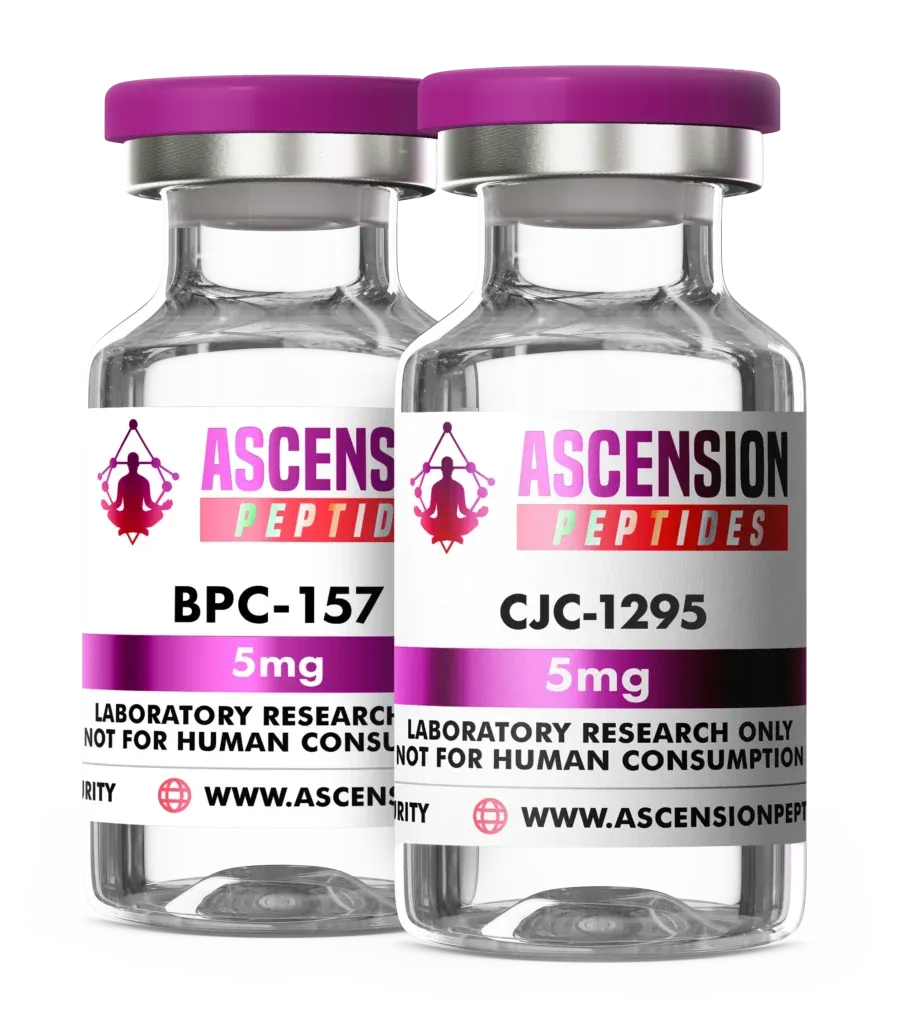
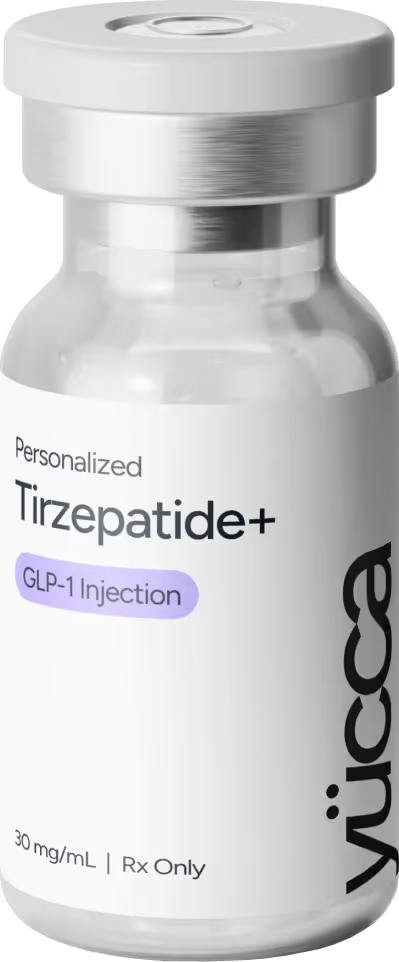
Product quality can change the safety question completely. FDA-approved products have regulator-reviewed labeling, manufacturing controls, storage requirements, and adverse-event reporting. Compounded, counterfeit, imported, or research-labeled products may differ in identity, concentration, sterility, impurities, stability, storage, and directions for use.
FDA has specifically warned about unapproved GLP-1 products and dosing errors with compounded injectable semaglutide. Those issues matter for pancreatitis and gallbladder discussions because an adverse event can be misattributed to a molecule when the product source, concentration, or dosing instructions are also uncertain.
Be careful with claims that use a label warning as a sales tactic. A seller might point to "real pancreatitis warnings" while implying its own non-approved product is equivalent to a regulated medicine. The evidence does not work that way. Trial and label evidence belongs to defined products and defined populations.
Measurement tools have limits too. The reconstitution calculator can help readers understand concentration math. It cannot verify a substance, assess sterility, diagnose abdominal pain, determine a dose, or make an unapproved product equivalent to Wegovy, Ozempic, Zepbound, or Mounjaro. The injection-site and product-quality guide covers that broader safety boundary.
The useful summary is direct: pancreatitis is a serious label warning, gallbladder and biliary disease have a clearer randomized-trial meta-analysis signal, and symptoms should be evaluated clinically. The evidence does not support casual panic, self-diagnosis, or marketing claims that turn a warning into a sourcing pitch.
For product-status context, read approved vs investigational vs compounded vs research peptides. For GLP-1 product law and shortage-era claims, read compounded semaglutide and tirzepatide rules.
References
- Wegovy (semaglutide) prescribing information, 2026 label, U.S. Food and Drug Administration.
- Zepbound (tirzepatide) prescribing information, 2026 label, U.S. Food and Drug Administration.
- Ozempic (semaglutide) prescribing information, U.S. Food and Drug Administration.
- Mounjaro (tirzepatide) prescribing information, Eli Lilly and Company.
- Association of Glucagon-Like Peptide-1 Receptor Agonist Use With Risk of Gallbladder and Biliary Diseases, JAMA Internal Medicine / PubMed.
- Incretin-based glucose-lowering medications and the risk of acute pancreatitis and malignancies, Diabetes, Obesity and Metabolism / PubMed.
- Once-Weekly Semaglutide in Adults with Overweight or Obesity, New England Journal of Medicine / PubMed.
- Tirzepatide Once Weekly for the Treatment of Obesity, New England Journal of Medicine / PubMed.
- FDA Concerns with Unapproved GLP-1 Drugs Used for Weight Loss, U.S. Food and Drug Administration.
- FDA Alerts Health Care Providers, Compounders and Patients of Dosing Errors Associated with Compounded Injectable Semaglutide Products, U.S. Food and Drug Administration.
Disclaimer
This page is educational and is not medical advice. It does not diagnose abdominal pain, pancreatitis, gallbladder disease, digestive symptoms, or adverse events. It does not provide dosing, prescribing, switching, compounding, reconstitution, sourcing, storage, weight-loss treatment, diabetes treatment, or individualized guidance for semaglutide, tirzepatide, Wegovy, Ozempic, Zepbound, Mounjaro, or related products. Symptoms and medication decisions should be handled with qualified healthcare professionals using current labels and clinical evaluation.
Next steps
Continue with the closest guide, peptide profile, or research tool.