Skeletal safety evidence
GLP-1 Bone Density and Fracture Risk: Semaglutide, Tirzepatide, and Evidence Limits
A source-backed guide to GLP-1 bone-density and fracture-risk claims, including semaglutide, tirzepatide, weight-loss context, DXA data, and evidence limits.

GLP-1 bone-density and fracture-risk searches have become more common as semaglutide, tirzepatide, and related medicines move from diabetes care into long-term weight management. The question is reasonable: if a drug produces meaningful weight loss, what happens to bone mineral density, fracture risk, fall risk, muscle, nutrition, and older-adult skeletal health?
The evidence does not support a simple slogan. Some mechanistic and diabetes literature suggests GLP-1 receptor agonists may have neutral or favorable skeletal signals in certain settings. Other human data point to bone loss that tracks with weight loss, especially at the hip and femoral neck. Those observations can both be true because fracture risk is not only a receptor question. It also reflects age, sex, diabetes status, baseline bone density, weight change, lean mass, falls, protein intake, vitamin D status, resistance training, and product category.
This guide is narrower than the broad GLP-1 side effects guide and different from the GLP-1 muscle-loss guide. It focuses on skeletal evidence: DXA findings, fracture signals, weight-loss context, and how to read current claims without turning early data into certainty.
Evidence Snapshot
| Common claim | Evidence picture | Boundary |
|---|---|---|
| GLP-1 drugs protect bones. | Some type 2 diabetes datasets and reviews suggest neutral or possibly favorable fracture patterns, but human findings are mixed and often observational. | A lower fracture signal in one population does not prove bone protection for every GLP-1 user, dose, product, or weight-loss setting. |
| Ozempic or Zepbound cause osteoporosis. | Weight loss can be associated with bone loss, and a 2026 DXA study linked greater weight loss with more hip and femoral-neck bone loss. | That does not prove a direct toxic bone effect from the molecule independent of weight change, diabetes status, age, nutrition, and activity. |
| Semaglutide and tirzepatide have the same skeletal profile. | Both are incretin-based drugs, but semaglutide is a GLP-1 receptor agonist and tirzepatide activates GIP and GLP-1 receptors. | Bone outcomes should be tied to the exact molecule, population, duration, weight loss, and comparator. |
| A fracture-risk headline is enough to guide treatment. | Recent reviews call the human evidence incomplete and point to differences between preclinical mechanisms and clinical outcomes. | Bone-health decisions need individualized clinical context, not a single abstract, news article, or forum thread. |
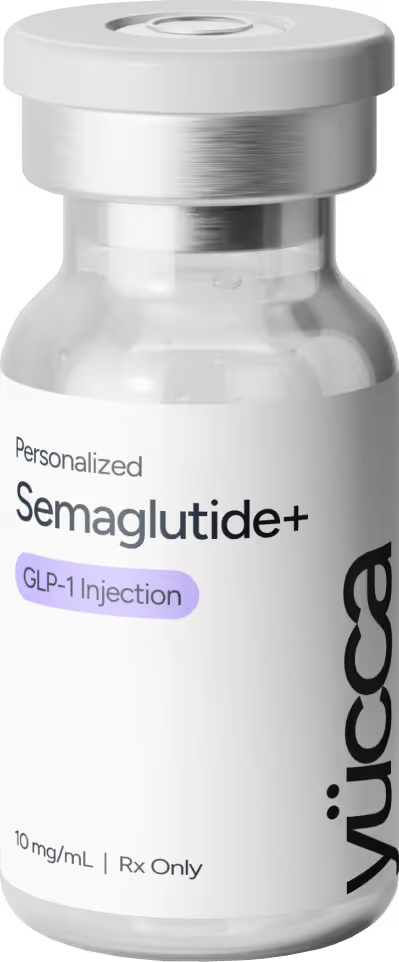
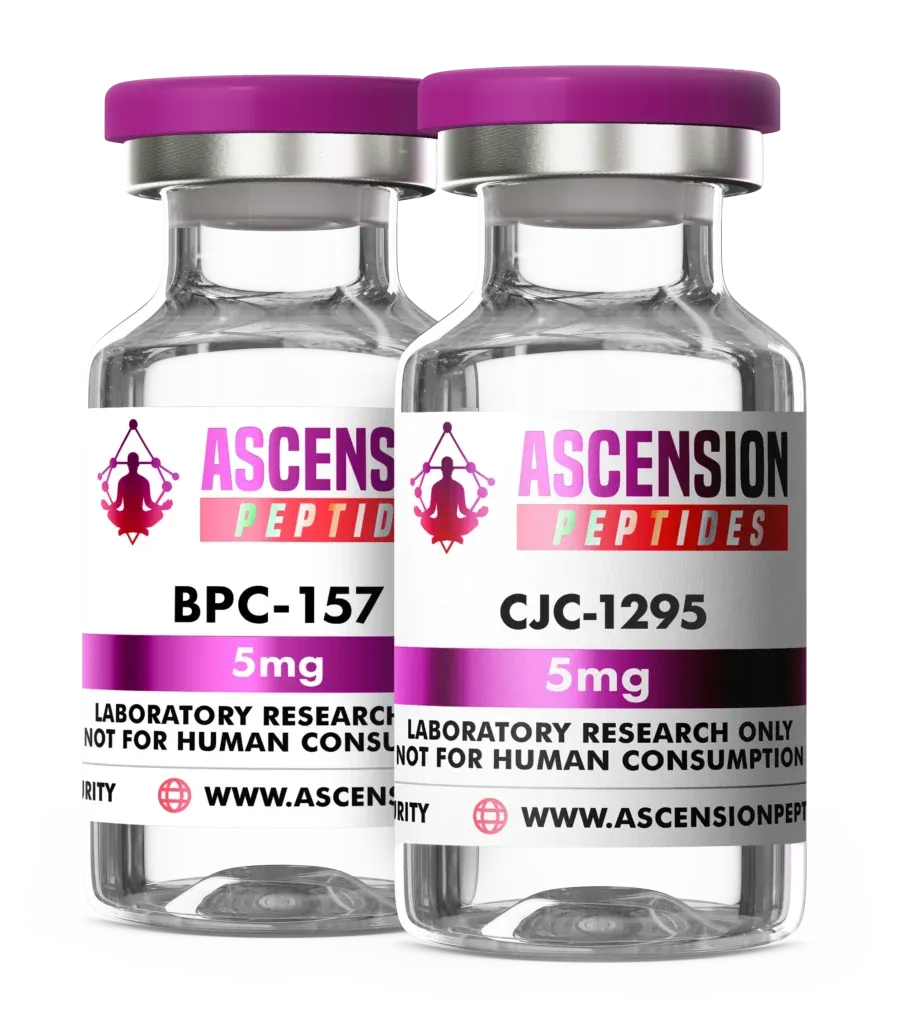
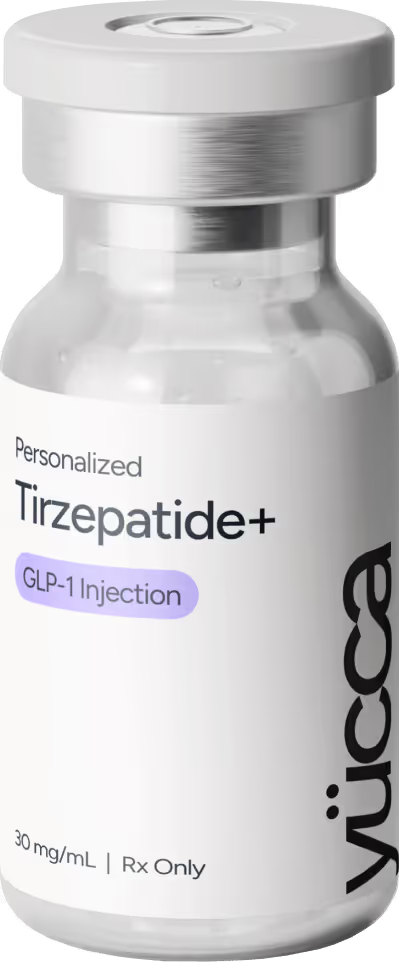
| Research-market peptides inherit approved-drug evidence. | Approved products have regulated labels, manufacturing controls, trial context, and adverse-event systems. | A vial sold under a peptide name does not establish product identity, sterility, dosing accuracy, or label-level safety evidence. |
Why Bone Questions Are Different From Weight-Loss Headlines
A weight-loss trial can report body-weight change clearly while still leaving skeletal questions open. STEP 1 showed substantial average weight reduction with semaglutide 2.4 mg in adults with overweight or obesity. SURMOUNT-1 showed substantial average weight reduction with tirzepatide in a similar chronic weight-management context. Those trials help explain why the public conversation grew quickly, but they were not designed primarily as fracture-outcome trials.
Bone outcomes need different measurements. DXA scans estimate bone mineral density. Bone-turnover markers can suggest remodeling changes. Fracture outcomes require enough events, follow-up time, and careful adjustment for falls, activity, frailty, age, diabetes, baseline bone health, and other drugs. A study can answer one of those questions without answering all of them.
The distinction matters because many current claims mix endpoints. A headline about fewer fractures in a type 2 diabetes dataset does not prove higher bone density in a person without diabetes using a weight-loss dose. A DXA study showing hip bone loss does not prove every user will fracture. A mechanistic paper about GLP-1 signaling in bone cells does not replace human outcome data.
Current labels for Wegovy and Zepbound focus on product-specific indications, contraindications, warnings, adverse reactions, and use instructions. They do not turn bone-health monitoring into a simple internet protocol. Readers should also avoid copying label evidence onto compounded or research-market products. The approved vs investigational vs compounded vs research peptides guide explains why product category changes the evidence question.
What Human Evidence Shows So Far
A 2026 retrospective DXA study compared adults using semaglutide or tirzepatide with matched nonusers who had repeated DXA scans. The GLP-1 group lost a median of about 5% body weight over a median follow-up of 17 months. Both groups had significant declines in total hip and femoral-neck bone mineral density, and weight loss was associated with greater bone loss at those sites. Among patients without diabetes, total hip bone loss was greater in the GLP-1 group than in controls.
That study is useful because it ties the question to measured bone density rather than speculation. It also has limits. It was observational, single-center, mostly female, and not a randomized fracture trial. It does not prove that semaglutide or tirzepatide directly damages bone. It supports a more careful reading: in people using GLP-1 based therapy, especially outside diabetes, weight loss may be an important driver of hip and femoral-neck bone loss.
A 20-week pilot trial post hoc analysis in older adults with overweight or obesity and prediabetes or type 2 diabetes did not find statistically significant between-group changes in whole-body bone mineral density or bone-turnover markers with semaglutide plus lifestyle counseling compared with lifestyle counseling alone. The study was small, short, and exploratory. Its value is restraint: it does not justify a strong reassurance claim, and it does not prove harm.
Reviews of GLP-1 receptor agonists and bone health describe a complicated picture. Preclinical studies suggest possible bone-protective mechanisms, but human studies are inconsistent. A systematic review of cardiovascular outcome trials in type 2 diabetes found that fracture-risk evidence remains incomplete, even though GLP-1 drugs have well-established cardiometabolic trial roles. Another obesity-focused review reached a similar practical conclusion: bone outcomes need more direct study in people losing weight with these drugs.
Large real-world evidence can identify signals across many outcomes. The Nature Medicine mapping study of GLP-1 receptor agonists is useful as a broad signal-detection source, but it should not be overused as a bone-specific answer. Real-world mappings can raise hypotheses and compare outcome patterns. They cannot replace a dedicated randomized skeletal-health trial with DXA, falls, fractures, nutrition, activity, and drug exposure measured in detail.
Why Weight Loss Can Affect Bone
Weight loss can reduce mechanical loading on bone. That can matter at the hip, femoral neck, and spine, although sites can behave differently. Weight loss can also come with reduced lean mass, lower protein intake, lower calcium or vitamin D intake, less resistance exercise, menstrual or hormonal changes in some populations, and changes in fall risk. The skeletal question is therefore not limited to a drug receptor.
This is where GLP-1 and muscle-loss questions overlap without becoming the same topic. Lean mass is relevant to balance, strength, and falls, while bone density is relevant to fracture resistance. A person can lose weight, preserve enough lean mass, and still need bone-health evaluation because age or baseline osteoporosis risk is high. Another person can lose little weight and still have fracture risk for unrelated reasons.
Diabetes status also complicates interpretation. Type 2 diabetes can be associated with higher bone mineral density but increased fracture risk through bone quality, falls, neuropathy, vision changes, kidney disease, and other comorbidities. A diabetes trial or database may not generalize cleanly to a person without diabetes taking a high-dose obesity product. That is why the 2026 DXA study's diabetes-stratified finding is important, but not final.
Dose and indication matter too. The Wegovy HD evidence guide discusses higher-dose semaglutide claims, while the Zepbound HFpEF guide shows how a tirzepatide claim can be tied to a specific population and endpoint. Bone-health claims need the same precision. A molecule name is not enough.
Age is one of the clearest reasons to keep the interpretation conservative. Older adults can have lower baseline reserve, more fall risk, more medications that affect balance, and a higher chance that a small change in bone density has practical consequences. A younger adult with obesity, no diabetes, no prior fracture, and normal baseline bone density is not the same evidence problem as an older adult with osteopenia, prior fracture, diabetes complications, or chronic kidney disease.
The public discussion also tends to collapse prevention and monitoring. Asking whether a clinician should consider bone-health monitoring during large or rapid weight loss is different from claiming that every GLP-1 user needs the same testing schedule. The more defensible frame is risk stratification: baseline fracture risk, magnitude of weight loss, nutrition, resistance exercise, falls, and existing osteoporosis guidance all matter before a skeletal claim becomes practical advice.
How To Read GLP-1 Bone Claims
First, identify the population. A claim from adults with type 2 diabetes, older adults, postmenopausal women, people with obesity but no diabetes, orthopedic surgery patients, or people with known osteoporosis should not be treated as interchangeable. Fracture risk changes sharply with baseline risk.
Second, identify the endpoint. Bone mineral density, bone-turnover markers, osteoporosis diagnosis codes, femur fracture, any fracture, fall injury, and orthopedic surgical outcomes are different endpoints. A source that moves between them without saying so is weakening the evidence.
Third, check whether the source separates medicine from product. Approved semaglutide and tirzepatide products have label and trial contexts. Research-market vials, custom mixtures, and compounded products add uncertainty about identity, concentration, sterility, storage, instructions, and adverse-event reporting. The reconstitution calculator can help with concentration arithmetic, but it cannot evaluate skeletal risk or product quality.
Fourth, watch for forum certainty. Reddit and peptide forums are useful for seeing what people worry about: bone density, joint pain, tendon injuries, rapid weight loss, and under-eating. They are not proof of incidence or causality. The stronger source is a study with defined exposure, comparator, outcome, follow-up, and limitations.
The evidence-aware summary is that GLP-1 bone risk is plausible enough to take seriously but not settled enough for broad claims. Human evidence indicates that weight loss can be tied to bone loss in some GLP-1 users, while diabetes datasets and reviews do not show a simple uniform fracture-risk story. That is a monitoring and interpretation issue, not a reason to turn a headline into a protocol.
A cautious source should also state what it cannot answer. Current public evidence cannot tell a reader whether one approved product has a better fracture profile than another for an individual person, whether a specific compounded product has comparable risk, or whether a peptide seller's skeletal-safety claim is justified. It can only support careful questions about study design, product identity, weight-loss magnitude, and baseline risk.
References
- Skeletal effect of semaglutide and tirzepatide in patients with increased risk of fractures, Journal of Clinical Endocrinology and Metabolism / PubMed.
- Bone mineral density and turnover response to GLP-1 receptor agonists in older adults with overweight/obesity and prediabetes/type 2 diabetes, Frontiers in Aging / PubMed.
- Fracture Risk in Type 2 Diabetes: Systematic Review of Cardiovascular Outcome Trials with GLP-1 receptor agonists, Current Osteoporosis Reports / PubMed.
- Effects of Glucagon-Like Peptide-1 receptor agonists on bone health in people living with obesity, Osteoporosis International / PubMed.
- GLP-1 Agonists in Orthopedic Surgery: A Narrative Review of Bone Health and Surgical Implications, HSS Journal / PubMed.
- Mapping the effectiveness and risks of GLP-1 receptor agonists, Nature Medicine / PubMed.
- Once-Weekly Semaglutide in Adults with Overweight or Obesity, New England Journal of Medicine / PubMed.
- Tirzepatide Once Weekly for the Treatment of Obesity, New England Journal of Medicine / PubMed.
- Wegovy prescribing information, U.S. Food and Drug Administration.
- Zepbound prescribing information, U.S. Food and Drug Administration.
Disclaimer
This page is educational and is not medical advice. It does not diagnose osteoporosis, estimate personal fracture risk, recommend semaglutide, tirzepatide, calcium, vitamin D, DXA timing, exercise programs, treatment changes, dosing, compounding, sourcing, or reconstitution. Bone-health decisions should be handled with qualified clinicians using current labels, individual risk factors, nutrition context, fall risk, and appropriate testing.
Next steps
Continue with the closest guide, peptide profile, or research tool.