Reproductive safety
GLP-1 Fertility Claims: PCOS Evidence, Pregnancy Limits, and Birth-Control Warnings
A source-backed guide to GLP-1 fertility claims, PCOS evidence, semaglutide and tirzepatide pregnancy label limits, oral-contraceptive warnings, and claim boundaries.

GLP-1 fertility searches grew because many people lost weight while using semaglutide or tirzepatide and then reported more regular cycles, unexpected pregnancies, or questions about oral birth control. Those questions are real. The answer is not that GLP-1 drugs are fertility drugs, and it is not that reproductive concerns can be ignored.
The honest evidence sits between those extremes. GLP-1 receptor agonists have been studied in women with polycystic ovary syndrome, usually as metabolic or weight-management interventions rather than as stand-alone fertility treatments. Product labels also give pregnancy and contraception warnings that apply even when the public conversation focuses only on weight loss.
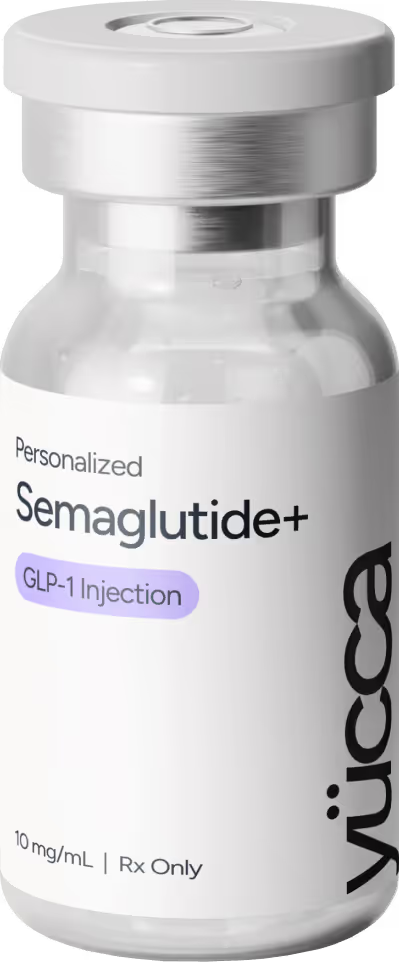
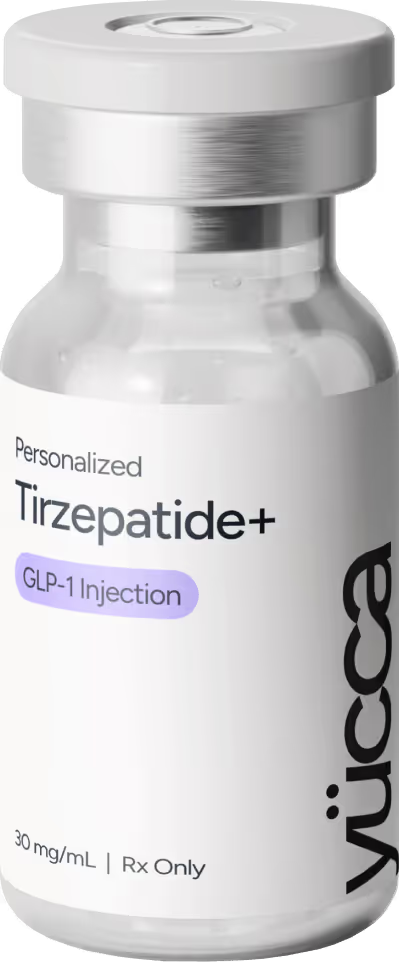
Peptides Defined covers semaglutide and tirzepatide as regulated medicines with product-specific evidence. That distinction matters because a Wegovy label, a Zepbound label, a clinical trial, a compounded product, and a research-market vial are not interchangeable.
Evidence Snapshot
| Common claim | Evidence picture | Boundary |
|---|---|---|
| GLP-1 drugs are fertility drugs. | GLP-1 receptor agonists have been studied in PCOS and obesity contexts, and weight loss can change ovulation and metabolic markers in some people. | That does not make semaglutide, tirzepatide, or related products fertility treatments or pregnancy-planning tools. |
| PCOS studies prove GLP-1 products improve fertility for everyone. | PCOS meta-analyses report changes in weight, insulin resistance, menstrual cyclicity, androgen markers, and some reproductive outcomes across studied interventions. | Studies vary by drug, dose, comparator, background metformin use, fertility goal, and follow-up. PCOS evidence cannot be generalized to every user. |
| Semaglutide or tirzepatide can be continued into pregnancy if weight loss is helpful. | Product labels warn against use during pregnancy or advise discontinuation when pregnancy is recognized, with semaglutide labels also giving a preconception stop interval. | Pregnancy safety decisions need clinician guidance and current product labels, not social-media shorthand. |
| Tirzepatide has no birth-control issue if taken weekly. | Zepbound labeling advises users of oral contraceptives to switch to a non-oral method or add a barrier method after initiation and each dose escalation. | This is product-label advice tied to delayed gastric emptying and oral drug exposure, not a general statement about every contraceptive method. |
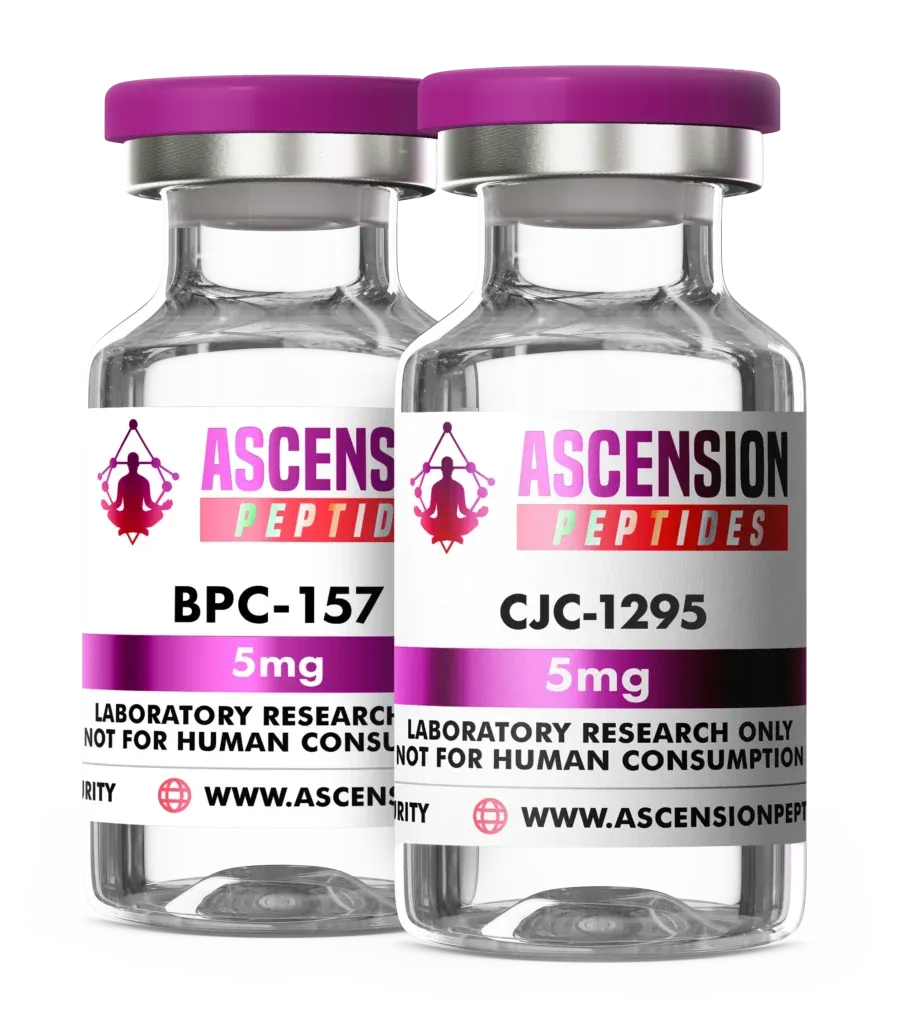
| A research vial with the same ingredient name carries the same pregnancy evidence. | Approved labels, trial products, compounded products, and research-market powders are different product categories. | Ingredient names do not verify sterility, concentration, stability, legal status, label warnings, or pregnancy-risk information. |
Why GLP-1 Fertility Demand Rose
The search phrase "GLP-1 fertility" usually bundles several different questions. One person may be asking whether weight loss improved ovulation. Another may be asking whether semaglutide is safe before pregnancy. Another may have started tirzepatide and wants to know whether oral contraception still works the same way. Those are separate questions with separate evidence sources.
Weight loss can affect reproductive physiology in some people, especially when obesity, insulin resistance, and PCOS are part of the picture. GLP-1 receptor agonists also act on appetite, satiety, gastric emptying, glucose handling, and body weight. That gives a plausible reason why reproductive markers might change indirectly. It does not mean the drug is treating infertility directly.
That distinction protects against overclaiming. A metabolic intervention can change cycle regularity in a study without being approved to help someone conceive. A pregnancy can occur during treatment without proving the medicine caused fertility. A forum thread can identify what people are worried about, but it cannot establish safety, effectiveness, or a dosing plan.
The same caution applies to comparisons with GLP-1, GIP, glucagon, and amylin peptides. Semaglutide, tirzepatide, retatrutide, and amylin-pathway candidates have different receptor biology and product status. Reproductive claims should be product-specific and source-specific.
What PCOS Evidence Can And Cannot Say
PCOS is one of the few reproductive-adjacent settings where GLP-1 receptor agonists have a meaningful human evidence base. Recent meta-analyses report that GLP-1 receptor agonist treatment in women with PCOS can improve weight and metabolic parameters, and some analyses examine menstrual or reproductive outcomes. That makes PCOS different from vague online claims about "boosting fertility."
The limits are just as important. PCOS studies vary by drug, duration, comparator, dose, background lifestyle intervention, metformin use, baseline body weight, insulin resistance, and outcome definitions. Some studies focus on weight or insulin resistance. Others include menstrual regularity or pregnancy-related outcomes. A pooled signal does not mean every patient has the same biology or response.
Endpoint wording matters in PCOS. A trial that reports lower body weight or improved insulin-resistance markers is not the same as a live-birth trial. Menstrual regularity is not the same as ovulation confirmed by testing. Ovulation is not the same as pregnancy. Pregnancy is not the same as maternal and fetal safety. A careful claim should name the endpoint rather than blending all reproductive outcomes into one fertility headline.
Another limit is product status. A study of liraglutide, exenatide, semaglutide, or a class-level GLP-1 receptor agonist analysis does not automatically answer questions about tirzepatide, which is a GIP/GLP-1 receptor agonist, or investigational combinations. It also does not validate a product sold online as a research peptide.
A careful wording is that GLP-1 receptor agonists have been studied in PCOS, with evidence for weight and metabolic effects and some reproductive-marker signals. It is too broad to say that GLP-1 drugs are fertility drugs. It is also too broad to say that PCOS evidence answers pregnancy safety.
Readers interested in body-composition and weight-management context should also read the GLP-1 muscle-loss evidence guide and the GLP-1 discontinuation and weight-regain guide. Fertility claims often ignore what happens when treatment is paused, stopped, or changed before pregnancy.
Pregnancy Label Limits
Product labels are the first place to check reproductive safety language. Wegovy and Ozempic are semaglutide products, but their labels are tied to specific products, indications, and populations. Semaglutide labels warn that the product should be stopped before a planned pregnancy because of its long washout period. They also advise discontinuation when pregnancy is recognized.
The reason this label language can feel confusing is that pregnancy planning often involves competing risks. For someone with type 2 diabetes, uncontrolled glucose can itself be risky. For someone with obesity, preconception weight and cardiometabolic health can matter. Those facts do not create permission to continue a GLP-1 drug into pregnancy. They mean the plan should be made before conception whenever possible, using the exact product label and the person's medical history.
Zepbound and Mounjaro are tirzepatide products. Zepbound labeling states that it may cause fetal harm based on animal reproduction studies and advises discontinuation when pregnancy is recognized. Mounjaro labeling carries related pregnancy safety framing for tirzepatide in its labeled diabetes context.
Animal reproduction findings are not the same as proven human harm, but they are not optional wording. They are part of regulator-reviewed product labels. Human pregnancy data for newer GLP-1 and incretin medicines remain limited compared with the size of their obesity and diabetes trial programs. That is why product labels remain central to preconception planning.
The practical takeaway is not to self-manage a washout. It is to treat pregnancy planning as a clinician-level medication review. The review may need to consider diabetes control, obesity-related risk, nutrition, prior pregnancy history, PCOS, contraception, medication alternatives, and the exact product label. A research-market ingredient name cannot supply that clinical context.
This is also where compounded semaglutide and tirzepatide rules become relevant. Non-FDA-approved products may lack the label, device, concentration, quality controls, and adverse-event context that make official safety language interpretable.
Tirzepatide And Oral Birth-Control Warnings
Tirzepatide has a specific oral-contraceptive warning that should not be buried under general GLP-1 discussion. Zepbound labeling advises females using oral contraceptives to switch to a non-oral contraceptive method or add a barrier method for 4 weeks after starting tirzepatide and for 4 weeks after each dose escalation.
The mechanism is practical: tirzepatide delays gastric emptying, especially after initiation and dose escalation. Delayed gastric emptying can affect absorption of oral medications. The label advice is not saying that all contraception fails. It is saying oral contraceptive exposure can be affected enough that a backup or non-oral method is advised during those windows.
Semaglutide also delays gastric emptying, but the oral-contraceptive labeling language is not identical across products. That difference is exactly why safety claims should name the product. "GLP-1 birth control" is a useful search phrase, but it is not a precise medical category.
Route matters too. The warning is about oral contraceptives, not intrauterine devices, implants, injections, patches, rings, or permanent methods. A person choosing contraception while starting or escalating tirzepatide needs product-label information and clinician guidance, not a conversion chart. The most useful public advice is to flag the label issue clearly and avoid pretending that all contraceptive methods carry the same absorption question.
Delayed gastric emptying has other implications too. It is part of the reason Peptides Defined separates GLP-1 before surgery and aspiration-risk evidence from broader GLP-1 safety. It also matters for oral medicines beyond contraception, although the level of concern depends on the medicine and label.
Measurement tools do not solve this problem. The reconstitution calculator can help readers understand concentration math. It cannot verify a product, choose a contraception method, interpret oral-drug absorption, or define a pregnancy-safe medication plan.
How To Evaluate GLP-1 Fertility Claims
Start by identifying the claim type. Is it a PCOS metabolic claim, an ovulation claim, a pregnancy-safety claim, a contraception claim, or an anecdote about an unexpected pregnancy? A source can be useful for one question and irrelevant for another.
Then identify the product. Semaglutide and tirzepatide do not have identical labels. Wegovy, Ozempic, Zepbound, Mounjaro, compounded products, and research-market products are not interchangeable. A claim that names only "GLP-1" is too broad for reproductive safety.
Next, identify the evidence type. Human PCOS trials and meta-analyses can support limited claims about metabolic and reproductive markers in PCOS. Obesity trials can support weight-loss claims in studied populations. Labels can support pregnancy and contraception warnings. Forums can show what people are asking, but they cannot prove causation or safety.
Finally, watch for language that turns uncertainty into certainty. "May affect cycle regularity in studied PCOS populations" is different from "makes you fertile." "Label advises contraceptive backup with tirzepatide initiation and escalation" is different from "birth control does not work." "Pregnancy data remain limited" is different from "proven safe" or "proven harmful."
The restrained summary is that GLP-1 and incretin drugs can intersect with reproductive health because they affect weight, metabolism, gastric emptying, and oral-drug exposure. PCOS evidence is real but bounded. Pregnancy and contraception questions should be answered from product labels and clinician review, not from search snippets or ingredient names.
References
- Wegovy (semaglutide) prescribing information, U.S. Food and Drug Administration.
- Ozempic (semaglutide) prescribing information, U.S. Food and Drug Administration.
- Zepbound (tirzepatide) drug label, DailyMed.
- Mounjaro (tirzepatide) prescribing information, Eli Lilly and Company.
- The Efficacy and Safety of GLP-1 Receptor Agonists for Weight Management and Metabolic Parameters in Women with Polycystic Ovary Syndrome, PubMed.
- Glucagon-like peptide-1 receptor agonist treatment in women with polycystic ovary syndrome, PubMed.
- GLP-1 physiology informs the pharmacotherapy of obesity, PubMed.
- Once-Weekly Semaglutide in Adults with Overweight or Obesity, PubMed.
- Tirzepatide Once Weekly for the Treatment of Obesity, PubMed.
- Gastrointestinal tolerability of once-weekly semaglutide 2.4 mg in adults with overweight or obesity, PubMed.
Disclaimer
This page is educational and is not medical advice. It does not provide fertility treatment, contraception advice, pregnancy planning, medication switching, dosing, reconstitution, sourcing, compounding, or individualized guidance for semaglutide, tirzepatide, GLP-1 receptor agonists, or related products. Reproductive-health and medication decisions should be made with qualified healthcare professionals using current product labels, diagnosis, goals, and clinical context.
Next steps
Continue with the closest guide, peptide profile, or research tool.