Recovery evidence
BPC-157 Side Effects, FDA Status, and Injury-Recovery Evidence
A research-backed review of BPC-157 side effects, FDA compounding status, human evidence limits, and why tendon, ligament, gut, and injury-recovery claims need careful reading.

BPC-157 is one of the most searched recovery-peptide topics because the claims are specific and emotionally compelling: tendons, ligaments, gut lining, joint pain, muscle tears, and faster return to training. The research record is not empty. PubMed includes animal studies, wound-healing reviews, musculoskeletal summaries, and a small human pilot study in a bladder-pain context.
The problem is translation. Most BPC-157 injury claims are built from rat tendon, ligament, muscle, burn, fistula, and gut models, then sold into human sports-injury or wellness settings. That move can make the evidence sound stronger than it is. A rat Achilles tendon model cannot define a human shoulder protocol, oral capsule claim, injection frequency, cancer-related risk, drug interaction, or product-quality standard.
For molecule basics, start with the BPC-157 peptide guide. This review focuses on side effects, FDA status, and the injury-recovery evidence behind the most common search claims.
Evidence Snapshot
| Common claim | Evidence picture | Boundary |
|---|---|---|
| BPC-157 repairs tendons and ligaments. | Several PubMed-indexed rat studies and reviews describe tendon, ligament, muscle, gut, and wound-healing models. | Animal healing models do not establish human injury recovery, dose, route, duration, or long-term safety for consumer products. |
| BPC-157 has human evidence. | A 2024 pilot study reported intravesical use in interstitial cystitis, and older literature refers to inflammatory-bowel-disease trial context. | Those data are narrow and do not prove sports-injury, tendon, joint, bodybuilding, oral capsule, or injection-site claims. |
| BPC-157 side effects are minimal. | There is no FDA-approved U.S. label with regulator-reviewed adverse-event rates, contraindications, interactions, or route instructions. | A lack of large adverse-event tables is not proof of low risk. It often means the public evidence base is thin. |
| A research vial is equivalent to the peptide in a study. | FDA materials raise API characterization, peptide-related impurity, and route-specific safety questions for compounded BPC-157. | Identity, sterility, endotoxin status, salt form, storage, concentration, and route suitability cannot be inferred from a product name. |
| BPC-157 stacks with TB-500 or GHK-Cu are evidence-based. | The peptides are often discussed together online and have overlapping repair narratives. | Popularity and mechanistic overlap do not replace combination-specific human trials or adverse-event reporting. |
What BPC-157 Is
BPC-157 is usually described as a synthetic pentadecapeptide, meaning a 15-amino-acid peptide. Seller pages often expand the name into "body protection compound" and connect it to gastric juice, cytoprotection, angiogenesis, nitric-oxide signaling, collagen organization, and tissue repair. Those mechanisms are part of the research discussion, but they are not a shortcut to a human treatment claim.
The most visible evidence base is preclinical. Studies have examined BPC-157 in rat tendon, ligament, muscle, burn, intestinal anastomosis, fistula, and wound models. Reviews summarize activity around cell migration, blood-vessel signaling, inflammatory response, and connective-tissue repair. That is enough to explain why the peptide attracts attention. It is not enough to say that a consumer product repairs human injuries.
BPC-157 is also discussed beside TB-500 and GHK-Cu. The existing recovery peptide comparison covers those overlaps. A BPC-157-specific safety review has to ask narrower questions: what human evidence exists, what side effects are actually known, and what FDA materials say about compounded-product risk.
What The Human Evidence Can Say
The human evidence for BPC-157 is much thinner than the online marketing footprint. A 2024 pilot study reported intravesical BPC-157 use in patients with interstitial cystitis or bladder pain syndrome. That matters because it is a human report, not an animal model. It also has obvious limits for the questions most readers ask.
Interstitial cystitis is not a tendon injury, joint injury, rotator-cuff tear, gut-health supplement claim, or bodybuilding recovery protocol. Intravesical administration is not the same as oral capsules, subcutaneous research vials, intramuscular use, nasal products, topical creams, or peptide stacks. A pilot study can be hypothesis-generating without validating unrelated routes or outcomes.
Older PubMed literature also refers to BPC-157 trial context for inflammatory bowel disease. That should be read carefully. A statement that a compound was in trials is not the same as a public FDA approval, a large modern evidence base, or a positive consumer-use conclusion. Readers need the population, comparator, endpoint, route, duration, and adverse-event reporting, not just the phrase "human trials."
For injury-recovery search intent, the public human dataset does not establish repair of tendons, ligaments, cartilage, muscle, bone, nerves, or post-surgical tissue. It also does not define how BPC-157 compares with rest, physical therapy, surgery, load management, nutrition, sleep, anti-inflammatory medications, platelet-rich plasma, or approved therapies for a diagnosed condition.
That distinction is the core reading skill. A peptide can be biologically interesting and still lack the human data needed for a specific health claim. The guide to reading peptide studies explains why mechanism, animal work, pilot data, and controlled human outcomes should stay in separate buckets.
Tendon, Ligament, And Joint Claims
BPC-157 tendon and ligament claims usually point to rat studies. A transected rat Achilles tendon study reported faster healing-related measures and tendocyte activity under experimental conditions. Another tendon-healing paper discussed tendon outgrowth, survival, and migration. A ligament study reported improved healing in rats. Those findings are useful for understanding why the topic exists.
They do not answer the questions a human patient or athlete usually has. A laboratory injury model is controlled, timed, and measured in ways that do not match chronic tendinopathy, a partial tear, a surgical repair, or a recurring overuse injury. Humans vary by diagnosis, age, training load, medications, diabetes status, steroid exposure, smoking, infection risk, and cancer history. Those variables can decide whether tissue heals at all.
Animal studies also do not resolve route. Online discussions often move between local injections, systemic injections, oral capsules, and blends with TB-500 or GHK-Cu. Direct evidence for one route cannot be casually moved to another. For peptide products, route changes the exposure profile and the product-quality requirements.
Claims about BPC-157 and joint pain need the same caution. Pain relief, inflammation changes, collagen organization, mechanical strength, imaging findings, and functional return are not the same endpoint. A product can affect a pathway in animals without proving that people should train through pain, skip diagnosis, delay surgery, or treat a serious injury on their own.
There is also a stacking problem. BPC-157 plus TB-500 is common in forums and clinic-style marketing, but combination popularity is not combination evidence. Stack claims need their own human safety and outcome data. Without that, the most honest statement is that the stack is discussed online, not that it has been established as a recovery protocol.
Side Effects And Risk Questions
The most important side-effect fact is negative: there is no FDA-approved U.S. BPC-157 label that defines adverse-event rates, contraindications, warnings, drug interactions, administration route, storage requirements, or product specifications. That absence makes confident "low side effect" claims weak.
Preclinical papers and reviews may report favorable tolerability in their own models, but that does not create a general safety profile for unapproved products. It does not address repeated use in people with chronic injuries, product impurities, immune response, endocrine disease, cancer history, concurrent medications, or exposure through nonstudied routes.
The mechanism story raises its own questions. BPC-157 is often discussed around angiogenesis, wound repair, cell migration, and growth-factor-related pathways. Those are reasons to study it, not reasons to ignore risk. Any compound discussed around vascular and repair biology should be evaluated carefully in people with malignancy concerns, proliferative disorders, active infection, surgical wounds, or complex inflammatory disease.
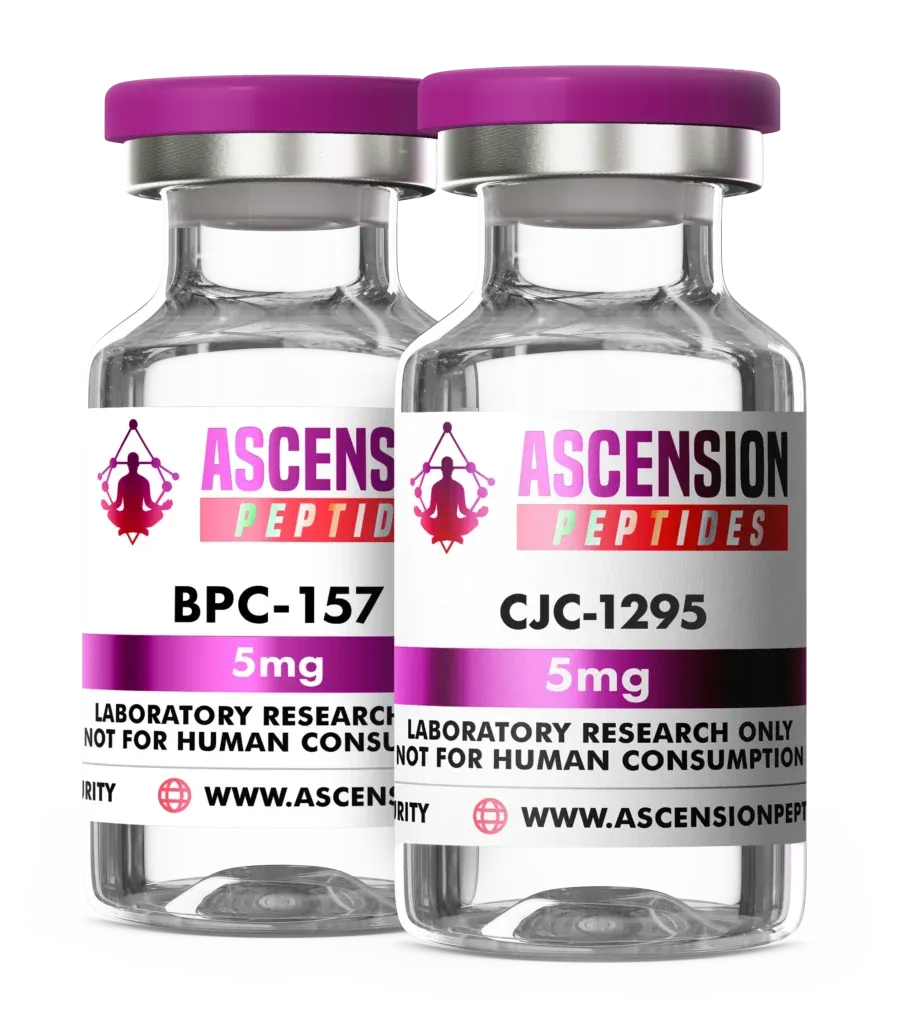
Product quality is a separate risk layer. A research-market vial or compounded preparation may raise questions about peptide identity, purity, salt form, solvent, sterile processing, endotoxin level, particulates, storage, concentration, and degradation. A certificate of analysis can be helpful due diligence, but it does not replace a regulator-reviewed product label or route-specific clinical safety evidence.
The peptide injection-site reaction guide covers local reactions and quality issues in more detail. The key point for BPC-157 is simple: side effects are not limited to whether a forum user felt fine. Unknowns, product variability, and route mismatch are part of the risk profile.
FDA Status And Compounding Context
BPC-157 is not an FDA-approved drug in the sources used for this article. FDA's compounding-risk materials have listed BPC-157 among bulk drug substances that may present significant safety risks in compounding. The agency specifically points to immunogenicity risk for certain routes, peptide-related impurities, active pharmaceutical ingredient characterization, and limited safety-related information for proposed routes.
As of June 3, 2026, FDA's updated 503A bulk-substance materials also describe active review context for BPC-157-related substances. FDA materials say the agency intends to consult the Pharmacy Compounding Advisory Committee on July 23, 2026, about BPC-157 free base and BPC-157 acetate for possible inclusion on the 503A bulks list.
That future meeting should not be misread. A scheduled advisory-committee review is not FDA drug approval. It is not proof of efficacy. It is not proof that a product sold online is legal, sterile, correctly labeled, or medically appropriate. It is a regulatory process about whether a bulk substance can be considered for certain compounding contexts.
This is why the product category matters. An FDA-approved medicine, an investigational product in a protocol, a compounded preparation, and a research-use vial are different evidence objects. The approved versus compounded versus research peptide guide lays out those categories in more detail.
Measurement tools also have limits. The reconstitution calculator can help readers understand concentration math. It cannot verify identity, sterility, endotoxin status, route suitability, clinical need, or FDA status for BPC-157.
How To Evaluate BPC-157 Claims
Start with the exact claim. "BPC-157 has been studied in rat tendon models" is a narrower and more defensible statement than "BPC-157 heals tendon injuries." "A pilot human bladder-pain study exists" is not the same as "BPC-157 repairs joints." Precision protects readers from overconfidence.
Then check the route and product. Is the source discussing BPC-157 free base, acetate, a topical product, an oral capsule, a sterile injectable, a research vial, or a compounded preparation? Does the claim name the route studied? Does it address impurities, aggregation, sterility, endotoxin risk, storage, and degradation?
Next, look for human endpoints. Useful injury evidence would need diagnosed injuries, controlled comparators, standardized rehabilitation, objective outcomes, adverse-event tracking, and enough follow-up to judge durability and harm. Animal-model strength tests, cell migration assays, and forum anecdotes cannot substitute for that.
Finally, watch for certainty. Strong sources should be willing to say that BPC-157 has preclinical repair literature, limited human evidence, important FDA compounding concerns, and no established broad injury-recovery use. If a seller or article skips those limits, it is probably using scientific vocabulary to create more confidence than the evidence supports.
The bottom line is restrained. BPC-157 has a real research record, especially in preclinical tissue-repair models. Human evidence for the injury-recovery claims most people search for remains limited, and FDA compounding materials make product identity, route, impurities, immunogenicity, and safety information central parts of the discussion.
References
- Regeneration or Risk? A Narrative Review of BPC-157 for Musculoskeletal Healing, PubMed.
- Effect of BPC-157 on Symptoms in Patients with Interstitial Cystitis: A Pilot Study, PubMed.
- Stable Gastric Pentadecapeptide BPC 157 and Wound Healing, PubMed.
- Gastric pentadecapeptide BPC 157 accelerates healing of transected rat Achilles tendon and in vitro stimulates tendocytes growth, PubMed.
- The promoting effect of pentadecapeptide BPC 157 on tendon healing involves tendon outgrowth, cell survival and cell migration, PubMed.
- Pentadecapeptide BPC 157 improves ligament healing in the rat, PubMed.
- Stable gastric pentadecapeptide BPC 157 in trials for inflammatory bowel disease heals ileoileal anastomosis in the rat, PubMed.
- Gastric pentadecapeptide body protection compound BPC 157 and its role in accelerating musculoskeletal soft tissue healing, PubMed.
- Certain Bulk Drug Substances for Use in Compounding that May Present Significant Safety Risks, U.S. Food and Drug Administration.
- Bulk Drug Substances Nominated for Use in Compounding Under Section 503A of the FD&C Act, U.S. Food and Drug Administration.
Disclaimer
This page is educational and is not medical advice. It does not provide dosing, injection, reconstitution, compounding, sourcing, purchasing, injury-treatment, sports-medicine, gut-treatment, or individualized guidance for BPC-157. Injuries, pain, bladder symptoms, wounds, medication questions, product reactions, and peptide-product decisions should be discussed with qualified healthcare professionals using current regulator-reviewed information.
Next steps
Continue with the closest guide, peptide profile, or research tool.