Evidence comparison
GLP-1 Drugs vs Other Peptides: What Makes the Evidence Different
A practical comparison of approved GLP-1 and incretin drugs, other approved peptide medicines, and research-market peptides with thinner evidence.

GLP-1 and incretin drugs have made peptide medicines more visible, but they are not representative of every peptide discussed online. Some peptides are approved medicines with labels and large development programs. Others are investigational drugs. Others are research-market compounds with limited or no human clinical evidence for the claims attached to them.
The difference is not whether a molecule is called a peptide. The difference is evidence quality, manufacturing controls, regulatory status, product identity, trial population, and whether the public claim matches the product actually studied.
Why GLP-1 Drugs Feel Different
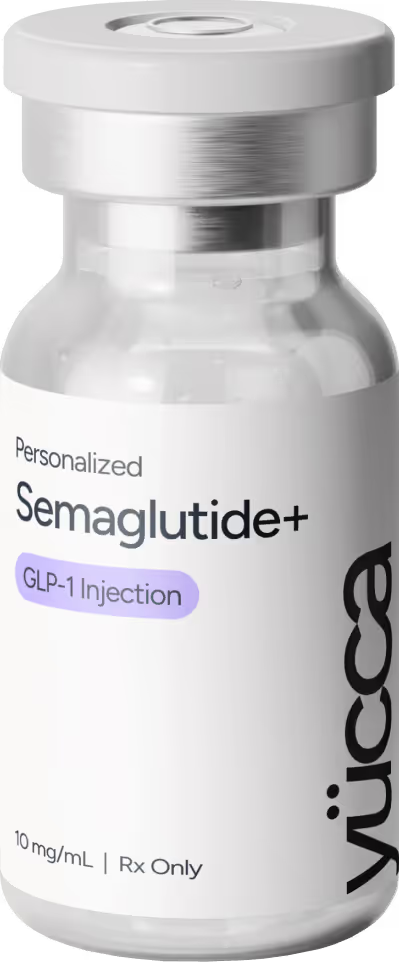
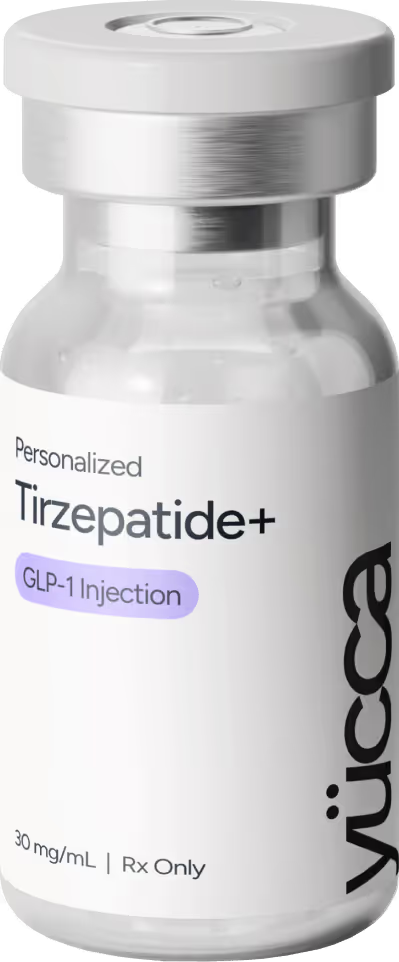
Semaglutide and tirzepatide are often the first peptides people recognize because approved products exist and because large clinical programs have studied them in type 2 diabetes, chronic weight management, and related cardiometabolic questions. That creates a public evidence base: labels, randomized trials, trial registries, adverse-event reporting, and post-approval surveillance.
That does not make every online GLP-1 product equivalent to an approved product. It means the evidence for an approved product has a defined identity, route, formulation, manufacturing context, and label. Those details are part of the evidence, not administrative trivia.
Approved Peptide Medicines Are Narrower Than Online Categories
Other approved peptide medicines show how specific approval can be. Tesamorelin is a growth-hormone-releasing hormone analogue with a labeled indication tied to HIV-associated lipodystrophy. Bremelanotide is a melanocortin receptor agonist with a labeled indication for a defined HSDD population. Setmelanotide targets MC4 receptor biology in specific genetic or acquired obesity contexts. Abaloparatide is a PTHrP analogue for osteoporosis-related use.
These examples are important because they show that "peptide" is not a treatment category by itself. Each approved peptide has its own mechanism, route, population, risks, contraindications, and labeling. You cannot borrow evidence from one peptide class and apply it to another just because both are short amino-acid chains.
Research-Market Peptides Are A Different Evidence Bucket
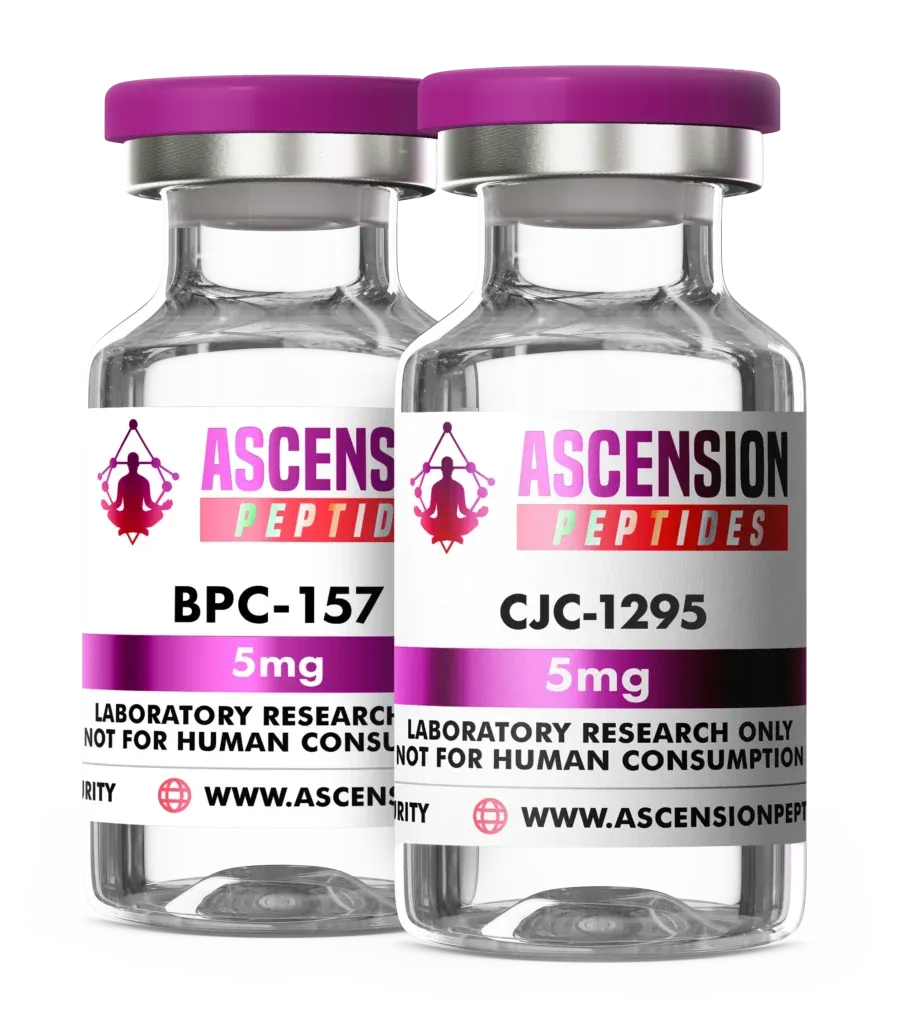
Peptides such as BPC-157, TB-500, GHK-Cu injections, and many growth-hormone secretagogue combinations are often discussed online with strong practical claims. The public evidence base is usually much thinner than the marketing language suggests. Some have preclinical or mechanistic literature; some have limited human research in adjacent forms or routes; many do not have approved consumer drug labels.
FDA compounding-risk materials also identify several peptide bulk substances as presenting potential significant safety risks, including concerns around immunogenicity, peptide-related impurities, and active-ingredient characterization. That is not the same thing as saying every molecule is useless. It means product quality, route, formulation, and human safety data cannot be assumed from a seller page or certificate alone.
Evidence Comparison
The cleanest way to compare peptide categories is to ask what kind of public evidence supports the exact claim:
- Approved drug label: strongest for the labeled product, route, population, and indication.
- Completed phase 3 trial: strong for the studied product and endpoint, but not automatically an approval.
- Phase 1 or phase 2 trial: useful signal-finding or dose-ranging evidence, but often incomplete for long-term safety or broad use.
- Animal or cell study: useful for mechanism and hypothesis generation, not proof of human benefit.
- Seller claims and anecdotes: low reliability unless supported by traceable source data.
Our clinical trials table helps separate registry status from hype. Recruiting, active, completed, terminated, and observational studies should not be read as the same type of evidence.
A Reader Framework
Before accepting a peptide comparison, identify the molecule, product form, route, source of evidence, trial phase, population, endpoint, and regulatory status. If any of those are vague, the claim is weaker than it may sound.
The practical takeaway is not "approved equals perfect" or "research equals bad." It is narrower: approved peptide drugs, investigational peptides, and research-market peptides belong in different evidence buckets. Mixing those buckets is one of the fastest ways for peptide content to become misleading.
FAQ
Why do GLP-1 drugs have a stronger evidence base?
Approved GLP-1 medicines are supported by regulated clinical programs, labeled indications, manufacturing controls, and safety monitoring. Many research-market peptides have thinner or indirect evidence.
Are all peptides medicines?
No. Some peptide products are approved medicines, some are investigational drugs, some are compounded products, and many are sold as research materials.
How should readers compare online peptide claims?
Start with product status, human evidence, route and formulation, safety data, and whether the claim is tied to the exact product being discussed.
References
- DailyMed: EGRIFTA SV (tesamorelin) Label, DailyMed.
- DailyMed: VYLEESI (bremelanotide) Label, DailyMed.
- DailyMed: IMCIVREE (setmelanotide) Label, DailyMed.
- DailyMed: TYMLOS (abaloparatide) Label, DailyMed.
- FDA: Certain Bulk Drug Substances for Use in Compounding that May Present Significant Safety Risks, U.S. Food and Drug Administration.
- TGA: Understanding Responsibilities When Supplying Unapproved Peptide Products, Therapeutic Goods Administration.
- ClinicalTrials.gov Registry, ClinicalTrials.gov.
Next steps
Continue with the closest guide, peptide profile, or research tool.